

Got Real Estate License Now What?
Congratulations! You’ve passed your real estate exam, earned your license, and you’re ready to begin an exciting new career. But now you’re probably wondering, “I got my real estate license. Now what am I supposed to do?”
You’re not alone. Many newly licensed real estate agents discover that getting a license and knowing how to build a successful real estate business are two very different things.
Real estate can be an incredibly rewarding career. You have the opportunity to build your own business, develop financial independence, and help people make some of the biggest financial and personal decisions of their lives.
But there’s something you need to understand right from the beginning:
Getting your real estate license taught you how to get a real estate license. It didn’t necessarily teach you how to become a successful real estate agent.
Your licensing courses taught you important real estate principles, terminology, laws, and regulations. You needed that foundation to pass your exam and become licensed. Now you need to learn how to actually operate a real estate business, find clients, manage transactions, and develop the knowledge and skills that clients expect from a real estate professional.
As a real estate agent since 2009 and an experienced corporate trainer and instructional designer, I’ve seen how overwhelming the beginning of a real estate career can be. There are so many things to learn that new agents often struggle to figure out what to do first—and what can wait until later.
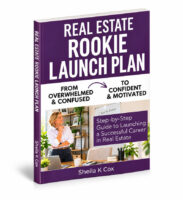
That’s why I developed the REAL ESTATE ROOKIE LAUNCH PLAN and the Agent Success Builder Training Series. My goal is to help you develop the knowledge, skills, systems, and confidence you need to build a successful real estate business.
Let’s start with some important realities about your new career. Then I’ll introduce you to the seven stages of real estate training and development so you can see the bigger picture.
WHAT NEW REAL ESTATE AGENTS NEED TO UNDERSTAND
You’re Starting a Business, Not Just a New Job
One of the biggest adjustments for newly licensed agents is understanding that real estate is a business. Most agents work as independent contractors rather than salaried employees, although employment arrangements can vary.
That means you’re generally responsible for managing your own business expenses, planning your finances, marketing your services, and generating enough income to support yourself.
And unlike a traditional job with a predictable paycheck, your income may be irregular—especially during your first year.
Before you begin spending money on marketing, technology, and business expenses, you need to understand what it will cost to operate your real estate business and how much income you’ll need to generate.
Those are some of the first activities I cover in the REAL ESTATE ROOKIE LAUNCH PLAN, along with setting meaningful business goals and developing the mindset habits that will help you stay focused.
Your Brokerage Won’t Necessarily Teach You Everything

Your brokerage can be an important source of training, especially when it comes to contracts, compliance requirements, transaction procedures, and the technology systems you’ll use in your local market.
However, training programs vary considerably from one brokerage to another. Some offer excellent onboarding, mentoring, and transaction training. Others expect new agents to learn much of the business independently.
Even when a brokerage provides extensive training, that doesn’t necessarily mean it offers a complete, logically organized education covering every aspect of building and operating your business.
That’s why choosing the right brokerage is such an important early decision. You need to evaluate more than commission splits and fees. Consider the training, mentoring, supervision, technology, and support you’ll receive.
And don’t assume that attending classes is the same as developing competence. You’ll also need opportunities to practice what you’ve learned and apply it in real-world situations.
You’ll Probably Be Responsible for Finding Your Own Clients
Some brokerages provide leads, referrals, or opportunities to work with experienced agents. However, most agents need to develop their own methods for attracting prospective buyers and sellers.
That means marketing and lead generation will become important parts of your real estate career.
Unfortunately, new agents are often encouraged to jump into prospecting activities before they’ve evaluated their local market, selected a target market, or developed a marketing plan.
It’s easy to spend a lot of time and money on activities that don’t fit your personality, your market, or your budget.
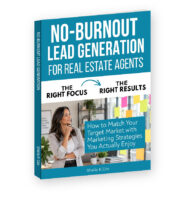
My NO-BURNOUT LEAD GENERATION FOR REAL ESTATE AGENTS guide teaches you how to evaluate your market, identify a promising target market, and develop a customized marketing system without relying on cold calling or expensive advertising.
You can explore this guide and the rest of my training series in the Agent Success Builder Shop.
You’ll Need to Develop Skills Beyond What You Learned in Real Estate School
Real estate agents wear many hats. Depending on the transaction and your business model, you may find yourself acting as a business owner, marketer, real estate consultant, local market expert, negotiator, and project manager.
You’ll also need to develop strong communication, organization, problem-solving, and client-management skills.

And if you’re planning to work as a solo agent, you’ll be responsible for managing many of these activities yourself rather than relying on a large team with specialized staff.
The good news is that you don’t have to master every skill before you begin working with clients.
Real estate expertise develops over time through training, preparation, practice, and experience. Your goal should be to build a solid foundation first, then develop additional skills as you progress through your career.
That’s exactly why I recommend following a structured training roadmap instead of trying to learn everything at once.
THE SEVEN STAGES OF BECOMING A SUCCESSFUL REAL ESTATE AGENT
Learning to become a successful real estate agent takes time. It isn’t something you’re going to accomplish in 30 days, and you shouldn’t expect to know everything when you’re just getting started.
It can take months or years to build the knowledge, experience, client base, systems, and skills of an established real estate professional.
However, there is a logical progression to your training and development. Some activities are essential when you’re first starting your business, while others make more sense after you’ve established a foundation.
I’ve organized the learning and development process into seven stages. Understanding these stages will help you prioritize your training and avoid becoming overwhelmed by everything you eventually need to learn.
Stage 1: Launching Your Real Estate Business
Your first priority is to get organized, make important business decisions, and establish the systems you’ll need to operate your real estate business.
 Think of this as the startup phase of your career. Before you get caught up in marketing activities and finding clients, you need to make sure you’re prepared to run your business and handle the responsibilities that come with being a licensed real estate agent.
Some of your priorities during this stage include establishing financial goals and budgets, selecting the right brokerage, completing onboarding and technology training, organizing your business systems, and beginning to develop your knowledge of houses and your local market.
You’ll also need to understand important contracts, laws, and compliance requirements, along with the communication skills you’ll use when working with clients and other real estate professionals.
This stage is the focus of my REAL ESTATE ROOKIE LAUNCH PLAN. It’s designed primarily for your first 30–45 days and provides a structured approach to getting your business started.
Instead of guessing what to do next, you’ll have an organized plan that includes the activities, checklists, worksheets, and guidance needed to begin building a strong foundation.
Explore the REAL ESTATE ROOKIE LAUNCH PLAN in the Shop.
Stage 2: Setting Up Your Marketing System
Once you have the basic systems of your business in place, it’s time to develop a marketing system that will help you attract clients and generate business.
 This involves much more than ordering business cards, creating social media profiles, or announcing to your friends that you’re now a real estate agent.
You need to understand your local real estate market, decide who you want to serve, and choose marketing strategies that fit your personality, skills, budget, and business goals.
You’ll also need to develop your professional brand, establish your online presence, and create a system for organizing contacts and staying in touch with people who may eventually become clients or refer business to you.
One of the biggest mistakes new agents make is copying another agent’s marketing activities without understanding whether those activities make sense for their own business.
My NO-BURNOUT LEAD GENERATION FOR REAL ESTATE AGENTS guide takes you through the process of evaluating your market, selecting a target market, developing a marketing plan, and establishing a lead generation system designed specifically for you.
It also introduces my four marketing strategies—Cultivating, Farming, Digital Marketing, and Networking—and helps you determine which approaches are the best fit for your business.
Find the NO-BURNOUT LEAD GENERATION guide in the Shop.
Stage 3: Learning to Work with Home Buyers
As a new real estate agent, you may find that your first clients are home buyers. If that’s the case, you’ll need to learn how to guide them through the entire buying process, from the initial consultation to closing.
 Working with buyers involves much more than finding houses and scheduling showings.
You’ll need to understand buyer representation, prepare clients for the purchasing process, identify suitable properties, plan home tours, evaluate asking prices, prepare offers, negotiate contract terms, and coordinate the many activities that take place before closing.
You’ll also need to communicate effectively with lenders, title companies, inspectors, other agents, and everyone else involved in the transaction.
And because you’re representing your client’s interests, you need to understand your professional responsibilities and know when to seek guidance from your broker or another qualified professional.
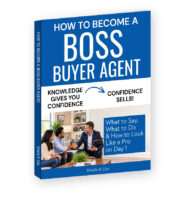
My HOW TO BECOME A BOSS BUYER AGENT guide focuses on the knowledge, skills, and confidence you need to handle buyer clients and manage their transactions professionally.
Explore the buyer-agent training guide in the Shop.
Stage 4: Learning to Work with Home Sellers
Representing home sellers requires a different set of skills and responsibilities from working with buyers.
 You’ll need to know how to prepare for listing appointments, explain your services, evaluate a property’s market position, recommend an appropriate listing strategy, and help sellers prepare their homes for sale.
You’ll also be responsible for coordinating listing activities, communicating with prospective buyers and their agents, evaluating offers, negotiating contract terms, and helping your seller navigate the transaction through closing.
One of the biggest challenges for new listing agents is understanding how all these activities fit together—and how to communicate their value to prospective sellers.
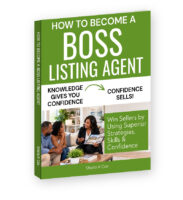
My seller-agent training guide is designed to help you develop the knowledge, systems, and confidence needed to represent home sellers professionally.
Visit the Shop to see the seller-agent guide and its availability.
Stage 5: Mastering Your Home Valuation (CMA) Skills
One of the most valuable skills you can develop as a real estate agent is the ability to evaluate a property’s market value accurately.
 Buyers need your help determining whether a property is priced appropriately and deciding how much to offer. Sellers depend on your knowledge when selecting a listing price and evaluating offers.
Unfortunately, learning how to find comparable properties in the MLS is only the beginning of developing strong home valuation skills.
You also need to understand how property differences, market conditions, competing listings, and recent sales affect value.
Developing these skills can help you become a more knowledgeable advisor and distinguish yourself from agents who rely primarily on automated estimates or basic MLS reports.
My CMA SUPERPOWER FOR REAL ESTATE AGENTS guide focuses on developing the analytical knowledge and skills needed to prepare and explain comparative market analyses.
Visit the Shop to learn more about CMA SUPERPOWER and its availability.
Stage 6: Implementing Advanced Lead Generation Strategies

During Stage 2, you established the foundation of your marketing system and began developing relationships with prospective clients and referral sources.
As your business develops, you may want to expand your marketing activities to create a more consistent flow of opportunities.
Depending on your target market, resources, and business goals, that might involve expanding your Digital Marketing strategy, developing a Farming strategy, or building a more structured Networking strategy.
You may also decide to create valuable local resources, such as neighborhood guides, market reports, or educational content that helps prospective clients understand your market.
The important thing is to expand strategically rather than trying every new marketing technique you hear about.
Your marketing system should support the type of business you want to build—not become an endless collection of expensive, time-consuming activities.
If you haven’t already established a strong marketing foundation, start with my NO-BURNOUT LEAD GENERATION FOR REAL ESTATE AGENTS guide before investing heavily in more advanced strategies.
Explore the lead generation training resources in the Shop.
Stage 7: Developing Advanced Real Estate Skills

By the time you reach this stage, you should have a functioning real estate business and a solid foundation of knowledge, skills, and systems.
But your professional development doesn’t stop there.
As you gain experience, you’ll begin to recognize opportunities to improve your negotiating skills, become more effective at resolving problems, strengthen your client relationships, and develop specialized expertise.
You may decide to focus on a particular market, such as luxury homes, relocation, investment properties, or new construction.
You might also decide to grow your business by hiring administrative support, outsourcing transaction management, or eventually building a real estate team.
However, growth doesn’t necessarily mean managing a large team. You can build a highly successful solo-agent business by developing effective systems, selecting the right clients, and continuously improving your professional skills.
At this stage, your training becomes more individualized. Instead of trying to learn everything, you can focus on the skills and knowledge that support your long-term business goals.
DO YOU HAVE TO COMPLETE THESE STAGES IN ORDER?
Not necessarily. These stages provide a logical training roadmap, but they aren’t rigid rules.
For example, Stages 3, 4, and 5 are interchangeable. Some agents prefer to develop their CMA skills before working with buyers or sellers. Others focus on buyer representation first and learn listing skills later.
You may also find that the stages overlap. You’ll continue developing your market knowledge, marketing skills, and professional competence as you gain experience.
The important thing is to avoid trying to become an expert at everything at once.
Start by building the foundation of your business, then focus on the knowledge and skills you need for the next stage of your career.
WHAT SHOULD YOU DO DURING YOUR FIRST 30–45 DAYS?
If you’ve just received your real estate license, your immediate priority should be Stage 1: Launching Your Real Estate Business.
That means focusing on the essential decisions, activities, and systems that will help you become organized, prepared, and ready to begin working with clients.
It’s tempting to skip ahead to marketing and lead generation because you want to start earning commissions as quickly as possible. And you certainly don’t want to ignore opportunities to develop relationships and meet potential clients.
However, taking time to establish your business foundation can help you avoid unnecessary expenses, confusion, and preventable mistakes later.
Think about it this way: attracting a client is only part of the challenge. You also need to be prepared to provide the professional service that client expects.
That’s why I created the REAL ESTATE ROOKIE LAUNCH PLAN.
Rather than giving you another collection of generic tips, the guide provides a structured startup plan covering the major decisions, activities, and systems you need to address at the beginning of your career.
It includes guidance on setting goals, selecting a brokerage, completing onboarding, organizing your business, developing communication skills, and beginning to build your knowledge of houses and your local market.
You’ll also find worksheets, checklists, and other resources to help you put what you’re learning into action.
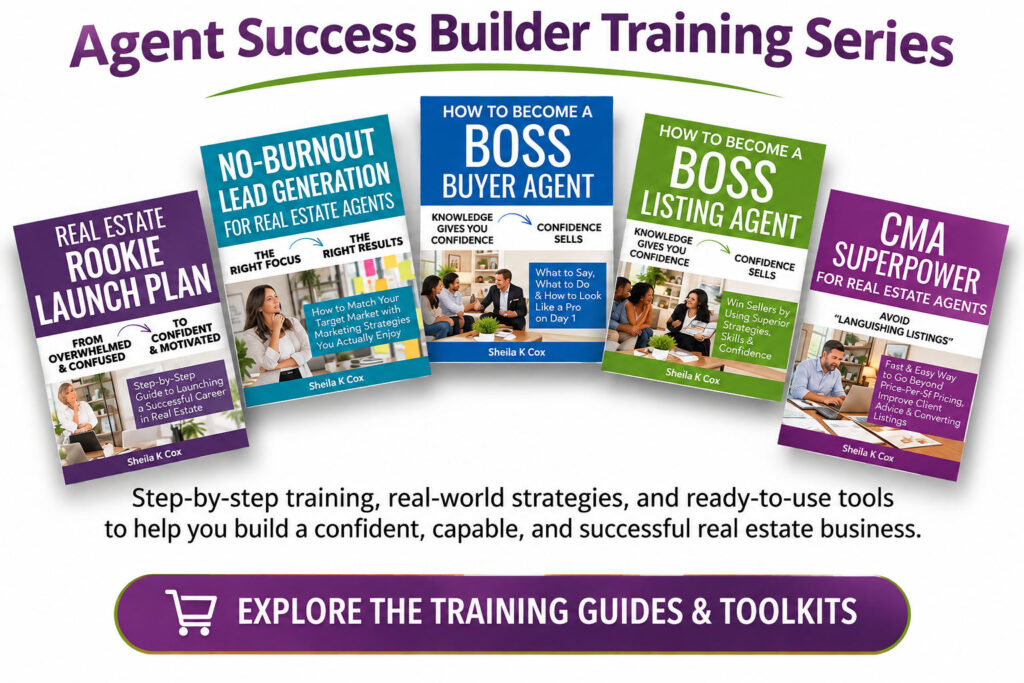
Ready to take your real estate career to the next level? Whether you’re just getting started or looking to strengthen your skills, the Agent Success Builder Training Series gives you the real-world knowledge, step-by-step guidance, and ready-to-use tools you need to build a successful real estate business.
Stop wasting time trying to figure everything out on your own. Explore our Training Guides and Digital Toolkits and find the resources that will help you become a more confident, capable, and successful real estate agent.