

How to Choose a Real Estate Broker: The Smart Guide for New Agents
HOW TO CHOOSE THE RIGHT REAL ESTATE BROKER FOR YOUR NEW CAREER
Choosing the right real estate broker is one of the most important decisions you’ll make as a newly licensed real estate agent. Your brokerage can influence the training you receive, the support available when you need help, your earning potential, and your overall experience during the first few years of your career. But how do you choose a real estate broker when you don’t yet know what it’s like to work as an agent?
It’s easy to become overwhelmed by commission splits, recruiting presentations, promises of leads, and different training programs. Because you’re new to the industry, you may not even know which questions you should be asking or which brokerage features will matter most once you begin working with clients. As a real estate agent since 2009, I recommend approaching this decision as a business owner—not simply as someone looking for a place to hang a real estate license.
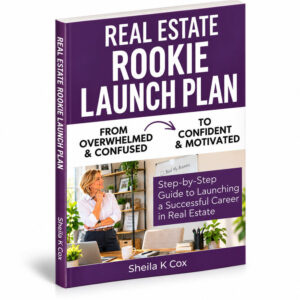
There is no single best brokerage for every agent. Your goal is to find the brokerage that best fits your financial situation, personality, working style, training needs, and career goals. In my REAL ESTATE ROOKIE LAUNCH PLAN, I dedicate an entire section to helping you evaluate brokerages using a structured decision-making process. Let’s look at the most important considerations before you begin interviewing potential brokers.
WHY CHOOSING THE RIGHT REAL ESTATE BROKER MATTERS
Your first brokerage can play an important role in helping you transition from being newly licensed to becoming a knowledgeable, competent real estate professional. Real estate school teaches you the principles, laws, and terminology needed to qualify for your license, but there’s a great deal more to learn before you’re prepared to manage transactions and provide excellent service to clients. You’ll need to understand contracts, brokerage procedures, transaction-management systems, local market practices, and your responsibilities when representing buyers and sellers. Your brokerage should be an important source of training and supervision in these areas.
However, brokerages differ considerably in what they offer. Some have structured training programs, experienced mentors, and extensive technology resources, while others operate with fewer services and give agents more independence. Neither approach is automatically better, but the differences can have a significant impact on your experience as a new agent. If you’ve never managed a real estate transaction, for example, access to an experienced broker or mentor who can answer questions and help you navigate unfamiliar situations may be especially valuable.
That’s why I encourage new agents to look beyond commission percentages and recruiting promises. You need to understand what the brokerage actually provides, what it expects from you, and whether its training and support systems will help you develop the skills you need to succeed.
UNDERSTAND THE DIFFERENT TYPES OF REAL ESTATE BROKERAGES
Before you start scheduling interviews, it’s helpful to understand that real estate brokerages operate under different business models. You may encounter large national franchises, independent local brokerages, virtual brokerages, and companies offering different combinations of office space, training, technology, and agent support. Some emphasize in-person collaboration, mentoring, and office resources, while others appeal to agents who prefer greater independence and fewer ongoing expenses.
You’ll also find differences in how brokerages compensate agents, distribute leads, provide marketing support, and structure their training programs. Don’t assume that a nationally recognized brand automatically provides better training or that a smaller independent brokerage offers less support. Individual offices—and even individual managers within the same company—can operate quite differently. That’s why you need to evaluate the specific office and people you’ll actually be working with, not just the company name.
When researching potential brokerages, consider how each business model fits your personality, preferred working style, financial resources, and professional development needs. An agent who enjoys collaborating with colleagues in a traditional office may prefer a very different environment from someone who wants to operate independently from a home office. Understanding those preferences before you begin interviewing will make it easier to identify brokerages worth considering.
WHAT SHOULD YOU LOOK FOR IN A REAL ESTATE BROKER?
When you’re comparing brokerages, compensation is certainly important, but I recommend looking at the entire package of services, expenses, training, and support. A brokerage offering an attractive commission plan may not provide the resources you need as a new agent, while another brokerage with a less generous split may offer valuable training, mentoring, technology, and transaction assistance. The best choice depends on what you’re receiving in return and how well those benefits support your business goals.
Some of the most important factors to evaluate include:
- Quality of training for newly licensed agents
- Access to experienced brokers, mentors, and transaction support
- Commission plans and brokerage-related expenses
- Technology, transaction systems, and administrative services
- Marketing resources and lead generation opportunities
- Office culture, reputation, and working environment
- Flexibility for your schedule and preferred working style
The relative importance of these factors depends on your circumstances. If you’re newly licensed and have never managed a transaction, quality training and access to an experienced mentor may be more valuable than a slightly higher commission split. On the other hand, if you’re planning to work part-time, flexibility and low monthly expenses may be especially important. You should also consider whether you plan to build your business as a solo agent or eventually join a team, since your preferred business model may influence the type of support you’ll need.
The key is to determine what matters most to you before you become influenced by an impressive recruiting presentation. When you understand your priorities, you’ll be better prepared to evaluate each brokerage based on how well it meets your needs rather than simply comparing the benefits that recruiters choose to emphasize.
DON’T CHOOSE A BROKERAGE BASED ONLY ON COMMISSION SPLITS
One of the biggest mistakes new real estate agents make is assuming that the brokerage offering the highest commission split is automatically the best choice. A brokerage offering a higher split may also charge substantial monthly fees, transaction fees, technology fees, or other expenses. Another brokerage may offer a lower split but include valuable training, mentoring, technology, and administrative support that would otherwise cost you additional money.
You’ll encounter different compensation arrangements, including traditional commission splits, graduated splits, commission caps, and plans that allow agents to retain a larger percentage of their commissions in exchange for other fees. Before comparing offers, make sure you understand the complete compensation structure and what expenses you’ll be responsible for paying. For example, a brokerage charging $200 per month will cost you $2,400 annually—even if you don’t close a single transaction. That’s a meaningful expense for a new agent who may not receive a commission during the first several months of business.
You also need to understand what you’re receiving in return for the brokerage’s share of your commissions and any additional fees. My REAL ESTATE ROOKIE LAUNCH PLAN includes a section on comparing brokerage compensation plans so you can evaluate the financial differences without focusing exclusively on commission percentages. The goal isn’t necessarily to find the cheapest brokerage. It’s to find the best combination of earning potential, reasonable expenses, and the support you need to build your business.
DECIDE WHAT’S MOST IMPORTANT TO YOU
Before interviewing brokerages, take some time to identify your personal priorities. What do you need most from your first brokerage? If you have limited real estate experience, you may place a high value on formal training, mentoring, and access to someone who can help when you’re preparing your first contracts. If you’re balancing real estate with another job or family responsibilities, flexibility may be one of your most important considerations. And if your financial resources are limited, you’ll probably want to pay particular attention to startup costs, recurring fees, and the services included in your compensation plan.
There’s no right or wrong answer because every agent brings different needs, preferences, and circumstances to the decision. What matters is identifying the factors that will have the greatest impact on your ability to develop your business. Once you’ve established those priorities, you’ll have a more meaningful basis for comparing potential brokerages.
Using a Broker Decision Analysis
To make this process easier, I created a Broker Decision Analysis worksheet that’s included in the REAL ESTATE ROOKIE LAUNCH PLAN. The worksheet helps you compare brokerages using consistent evaluation criteria while giving greater importance to the factors that matter most to you. For example, if quality training is extremely important, it should carry more weight in your decision than something you consider a minor convenience, such as the appearance of the office.
After interviewing potential brokerages, you can evaluate how well each one meets your expectations and compare the results. This approach helps you make a more objective decision instead of relying entirely on first impressions, recruiting promises, or commission percentages. The printed guide includes the Broker Decision Analysis worksheet and instructions for using it, while an editable Microsoft Excel version is available in the separately sold REAL ESTATE ROOKIE LAUNCH TOOLKIT. You can find both resources in the Agent Success Builder Shop.
INTERVIEW SEVERAL REAL ESTATE BROKERAGES

Once you’ve identified the brokerages you’re interested in, schedule interviews with the managing broker, recruiter, or person responsible for working with new agents. I recommend interviewing several brokerages rather than automatically joining the first office that offers you a position. Remember that this is a two-way interview. The brokerage is evaluating whether you’d be a good fit for its organization, but you’re also deciding whether the brokerage is the right fit for your business.
Approach these meetings professionally. Arrive on time, dress appropriately, bring a prepared list of questions, and take notes. Pay attention to how the broker or recruiter responds to your questions. Are the answers clear and specific? Do they seem genuinely interested in helping you succeed? Are they willing to explain the details of their training, support, and compensation arrangements? The way someone handles your questions during an interview may provide useful insight into how comfortable you’ll feel asking for assistance once you’ve joined the brokerage.
If you visit a physical office, take a look around and consider whether the working environment feels comfortable. If possible, talk with agents who already work at the brokerage, particularly those who joined recently. Their experiences may help you better understand what it’s actually like to work there and whether the training and support you’ve been promised are available in everyday practice.
ASK THE RIGHT QUESTIONS DURING BROKERAGE INTERVIEWS
One of the challenges new agents face is that they don’t always know what questions to ask during a brokerage interview. For example, it’s easy to ask whether a brokerage provides training, but simply hearing “yes” doesn’t tell you how the training works, how comprehensive it is, or whether you’ll receive help when you need it. The same is true for mentoring programs, brokerage-provided leads, technology systems, and other benefits. You need enough information to understand what the brokerage actually provides and whether those services meet your expectations.
Some important questions to explore include:
- What training is available specifically for newly licensed agents?
- Who will help you with contracts and unfamiliar transaction situations?
- What fees and expenses will you be responsible for paying?
- What technology and administrative support are included?
- What expectations does the brokerage have for new agents?
These questions are a starting point, but you’ll want to investigate other factors that are important to your situation. That’s why the REAL ESTATE ROOKIE LAUNCH PLAN includes a more comprehensive Questions to Ask Brokerages checklist that corresponds with the Broker Decision Analysis worksheet. Using the two resources together helps you gather consistent information during interviews and evaluate your options afterward, rather than trying to remember everything each recruiter told you.
COMPARE YOUR OPTIONS BEFORE MAKING A FINAL DECISION
After each brokerage interview, review your notes while the details are still fresh in your mind. It’s surprisingly easy to forget which brokerage offered a particular benefit, especially when you’ve interviewed several offices. Consider how well each brokerage meets your priorities, along with your impressions of the people, training opportunities, financial arrangements, and working environment. If you’re using the Broker Decision Analysis worksheet, this is when you’ll evaluate each brokerage using the same criteria and compare the results.
However, don’t assume that the brokerage receiving the highest score is automatically the right choice. Your evaluation should help guide your decision, but you should also consider whether you feel comfortable with the broker and confident that you’ll receive appropriate supervision and support. A brokerage may look excellent on paper but still feel like the wrong working environment for you. Your professional judgment and personal impressions are important parts of the decision.
Before making a final commitment, review the brokerage’s written agreements, compensation plan, and fee schedules carefully. Make sure you understand what you’re agreeing to, what expenses you’ll be responsible for paying, and whether there are any conditions that could affect your ability to operate your business. Taking a little extra time to evaluate your options can help you avoid misunderstandings and make a more informed decision.
REMEMBER THAT YOUR FIRST BROKERAGE DOESN’T HAVE TO BE YOUR LAST
Choosing your first brokerage is important, but it isn’t necessarily a permanent decision. As you gain experience, your needs may change. The brokerage that provides excellent support during your first year may not be the best fit for your business several years later. You may also discover that your original brokerage doesn’t provide the training, supervision, or working environment you expected.
Agents can change brokerages, although the procedures, licensing requirements, contractual obligations, and potential expenses vary by state and brokerage agreement. Changing brokerages can also create administrative work and disrupt your business, so it’s worth choosing carefully from the beginning. However, you shouldn’t feel obligated to remain with a brokerage that no longer meets your professional needs. As your business develops, continue evaluating whether your brokerage provides the support, resources, and opportunities you need to achieve your goals.
MAKE YOUR BROKERAGE DECISION WITH CONFIDENCE
Choosing the right real estate broker is one of the first major business decisions you’ll make during your real estate career. Don’t rush into it because a recruiter makes an impressive presentation, a friend recommends an office, or one brokerage advertises a particularly attractive commission split. Instead, identify your priorities, research your options, conduct professional interviews, and compare what each brokerage offers. The time you invest in making an informed decision can help you establish a stronger foundation for your new business.
Brokerage selection is part of Stage 1—Launching Your Real Estate Business—in my seven-stage training roadmap. If you’d like a more structured approach, my REAL ESTATE ROOKIE LAUNCH PLAN provides the guidance and resources to help you work through the entire process. Inside the printed guide, you’ll find information about different brokerage models, interview preparation, compensation plans, the Broker Decision Analysis worksheet, and the Questions to Ask Brokerages checklist. You’ll also learn what to do after selecting your brokerage, including completing your onboarding activities and establishing the initial systems for your real estate business.
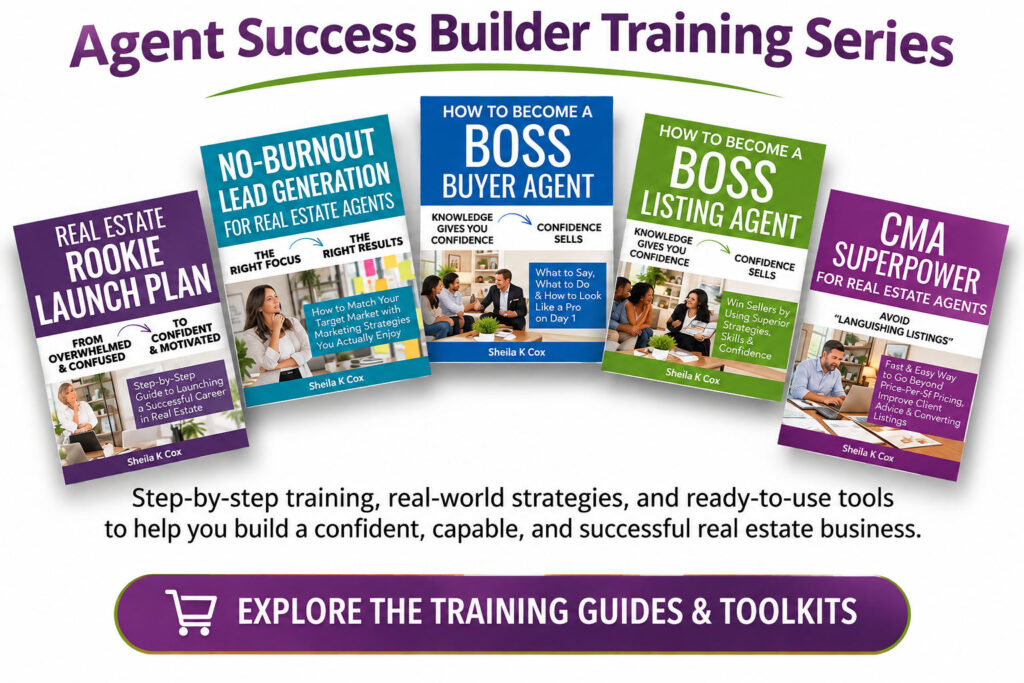
Ready to take your real estate career to the next level? Whether you’re just getting started or looking to strengthen your skills, the Agent Success Builder Training Series gives you the real-world knowledge, step-by-step guidance, and ready-to-use tools you need to build a successful real estate business.
Stop wasting time trying to figure everything out on your own. Explore our Training Guides and Digital Toolkits and find the resources that will help you become a more confident, capable, and successful real estate agent.