choosing profitable target market

Step-by-Step Process for Choosing a Profitable Target Market–From Guesswork to Paycheck

Critical Step for Your Real Estate Business

Choosing a profitable target market may be the most critical step of building your real estate business. However, most real estate agents just randomly pick an area that is close to where they live, spend lots of time and energy marketing in that area, only to fail at their efforts and wonder “what’s wrong with me?” or “what am I doing wrong?”

If you want to skip the hassle of wasting time and effort, then you must take some time to study your area and find out which possible markets will be profitable for you. Don’t base your marketing efforts on assumptions. Use the data in your MLS and do some real market analysis.

This process will help you with your HyperLocal expertise as well.

how to find profitable target market in real estate
CLICK TO DOWNLOAD

Once you find some possible target markets, make sure you narrow it down to the target market that is best for YOU (based on your unique characteristics). Also choose marketing activities that are a good match for your natural personality. This will help you actually ENJOY your marketing activities and prevent burnout.

Learn How to Use Your MLS First

Before you can study sales data in your local market, you have to know how to use the MLS software. Sign up for your MLS training classes as soon as possible. Take all the classes available: basic and advanced. Take online tutorials (if available). You really should be a PRO at using your MLS—it’s one of the best (and exclusive) tools we have as real estate agents. The information contained in the MLS is what gives you a key differentiator in your market place.

When you take your classes, make sure you learn the skills listed below.

  • Search by geographical area: by city, ZIP Code, subdivision, building, etc.
  • Search an area by using a mapping tool (if available with your MLS)
  • Obtain sales statistics for a geographical area within a specific time range (6 mths, 1 year, 5 years, etc.):
    • Number of Actives on the market
    • Number of Solds
    • Cumulative Days on Market
    • Median sales price
    • Lowest sales price
    • Highest sales price
    • Median price/sf
  • Create charts and graphs for Stats (if available with your MLS) for various market areas (city, ZIP Code, subdivision, building, etc.)
    • Five- or ten-year sales price trends
    • CDOM trends
    • Quantity Sold trends
  • Create custom searches for home buyers and set up automatic notification system for them (if available)
  • Print a map of a set of homes you want to see on a home tour
  • Print information sheets for buyers, per house (for home tours)
  • Print information sheets for agents, per house (for home tours)
  • Access the tax records for a specific owner’s name or address
  • Access lot details about a specific home, including flood zones (if available)

Study Your Primary Market: Area & Property Type

Understand How Your Local Market is Segmented

find a profitable target marketWhen you sell real estate, you are selling both a location and a home. Real estate is associated with land, and land is divided into countries, states, counties, cities, neighborhoods, ZIP Codes, etc. Then on that land, there are different types of homes for sale or lease, such as single-family homes, townhomes, high rise condos, rentals, etc. Every area is different. You probably won’t have a lot of Country Homes & Acreage properties in downtown Los Angeles, and you may not find any High-Rise Buildings in Tupelo, Mississippi.

Your MLS will be set up to search for homes by type, including some or all of the following:

  • Single Family Homes
  • Townhomes/Condos
  • Country Homes & Acreage
  • Farms & Ranches
  • Mid- and High-Rise Buildings
  • Rentals
  • Empty Lots

Your MLS will segment the area in multiple ways, with multiple fields:

  • City
  • ZIP Code
  • County
  • School District
  • Subdivision
  • Master Planned Community (Neighborhood)
  • Geo Market Area
  • Area
  • Legal Subdivision

Regardless if it’s in a neighborhood, a building, or a townhome community, all properties have a Subdivision field in the MLS. They will also have a Legal Subdivision field that is more exact. Get to know how agents list homes in your area on the MLS…it can be “tricky” for some neighborhoods which may also be part of a Master Planned Community field.

There are multiple ways to segment a local market, depending on the type of homes you want to sell and the area in which they are located:

  • Primary Market: Large geographical area (such as city or ZIP Code) plus type of home (single-family, high-rise condo, townhome, etc.). Example: Single-family homes in Tulsa, OK
  • Secondary Market: Specific neighborhoods, high-rise buildings, or condo complexes in your primary market. Example: The River Oaks, Garden Oaks, and Water Gardens neighborhoods in Dallas, TX or all Inner-Loop high rise buildings in Houston, TX
  • Farm Area: One specific neighborhood, building, or complex in your secondary market. Example: The Continental High Rise Building in Atlanta, GA
  • Niche Market: One specific type of client or home such as First-Time Home Buyers or Waterfront Homes in your primary market. Example: Golf course homes in Palm Spring, FL


Define Your Primary Market

A primary market is usually an entire city or ZIP Code. However, in metropolitan areas and very large cities, it may be only a specific portion of the city (such as several ZIP Codes within the city). In rural areas that are not densely populated, the primary market may be an entire county or region. In a small state like Rhode Island, the primary market could be the entire state.

In what type of primary market will you work and serve? (check the one that applies)

___ Metropolitan – several areas or ZIP Codes within metropolitan area

___ Urban – large city

___ Suburban – town or city on the “skirts” of a larger city or metro area

___ Rural – country area outside of a city or suburb

Fill-in the following table with information on your primary market…the primary area in which you sell houses. If you serve only one city then you may have only one ZIP Code.
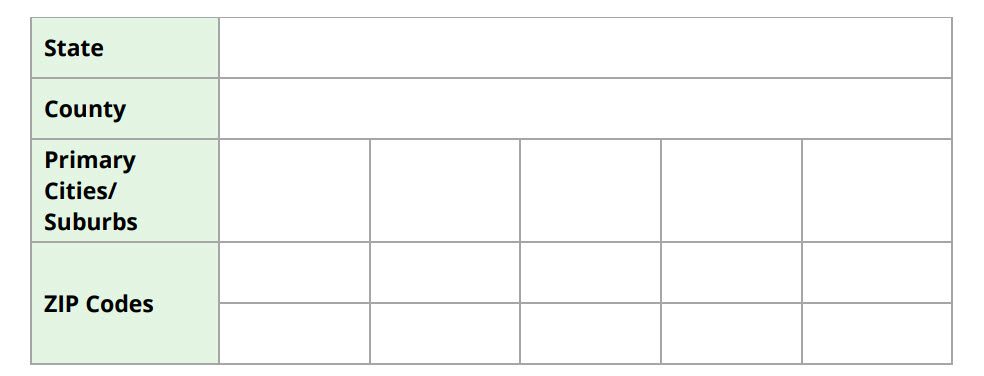
You can do an Internet search for “zip code map for YOURCITY” and then click Images to find and print a ZIP Code map for your area. Keep the map handy.

What types of homes are available in your primary market? (check all that apply)

___ Single-family

___ Multi-family

___ Townhomes

___ High- and mid-rise condos

___ Farm and Ranch

___ Country Homes with Acreage

___ Other: ____________________

Different types of homes have different characteristics. Selling high-rise condos is different from selling single-family homes, which is different from selling farm and ranch properties. To generate the most leads, you should try to focus on the predominant type of home in your primary area (unless you want to focus on a niche).

During your first year, learn everything you can about the predominant type of home in your area. Become an expert in that type of housing. Learn the INs and OUTs of buying, selling, and living in that type of property. Have a list of home inspectors for that type of property. Your clients are going to rely on you to help them buy and sell houses, so you need some expertise in the type of product you are selling.

Study Sales Data in Your Primary Market

Use the How to Find a Profitable Target Market worksheets, and your MLS, to study your primary market based on sales data from the past 6 mths (for large areas with many sales) or 12 months (for smaller areas with fewer sales). This will give you a general understanding of your area. It will also help you to know which areas are the most and least profitable, so you don’t waste time focusing on unprofitable markets.

You do not have to analyze every type of property. If you don’t plan to handle rentals, then don’t analyze that column. If you don’t have Country Homes and Acreage, then don’t waste time on that category either. However, it never hurts to have a complete understanding on what types of properties are selling best in your area, and which ZIP Codes are selling the most.

What types of property are predominant in your area? Which areas have the most sales? Focus on no more than two property types on the next page.

Study Top One or Two Types of Property in Each ZIP Code

profitable real estate marketSometimes it is very obvious that there is only one property type with the most sales in your area. However, there could be two or more property types that have similar sales activity. Use the How to Find a Profitable Target Market worksheets to look more closely at the sales data for the top two types of property (single family, townhome, high-rise, etc.). Your objective is to find the one most profitable property type and area to focus your business during your first year.

Which ZIP Codes have the most sales? Start narrowing your focus to find a “hot” target market, but make sure it has enough activity to meet your business goals.

Study Your Secondary Market: Top Neighborhoods or Buildings

A secondary market is the top-selling neighborhoods/buildings within your primary area. Once you know the type of property and the area (such as ZIP Code) that you want to focus on, then use your MLS software to find the top-selling neighborhoods/buildings in that area.

Using your MLS, search for Solds in your chosen city or ZIP Code(s), over the past 6 to 12 months (depending on the size of the area), and then sort the MLS results by Subdivision. Then scroll through the results, and write down the names of all the neighborhoods/buildings that seem to have a high quantity of sales on the table on the next page. This will create a list of subdivisions (neighborhoods/buildings) for you to investigate in order to find the top-selling neighborhoods in your area.

Study Top-Selling Neighborhoods/Buildings

Scroll through the MLS results for Solds in the past 6 to 12 months (depending on the number of sales available in that period), for the type of property and area (city or ZIP code) that you plan to focus, and look for Subdivisions with the most sales. Write the names on the How to Find a Profitable Target Market worksheets.

Use your MLS to collect the stats for each subdivision, and write that information on the worksheets. Then copy the applicable table to a Word document so that you can sort the table in different ways (see below) to identify the top neighborhoods/buildings in your area.

Identify Top Neighborhoods/Buildings

Find the top five neighborhoods/buildings in each of the following categories:

  • Most Popular (by number of sales)
  • Luxury (by median sales price, high to low)
  • Most affordable (by median sales price, low to high)
  • Fastest Selling (by CDOM, low to high)
  • Lowest amount of Inventory (by Months of Inventory, low to high)

Think about the results and understand why. Why are certain neighborhoods the fastest selling? Why do certain neighborhoods have the lowest inventory?

– Schools? – Location? – New Construction? – Price? – Age? – View?

For help, discuss these things with a mentor or experienced agent in your office.

Evaluate Possible Farm Areas

Some agents, not all, choose to “farm” a specific neighborhood as their marketing strategy. A farm area is one specific neighborhood or building in your secondary market. Targeting a specific neighborhood/building can be a lot easier than targeting an entire city or ZIP code. It is much easier to become the “hyperlocal real estate expert” for a farm area than for a large city.

real estate target market analysisA farm area needs to be small enough that you can affordably advertise in it on a consistent basis (monthly advertising is important), but has enough active sales to be worth your attention. It should be a neighborhood/building that you will enjoy working and one that is a good match for you demographically.

If it is a very large neighborhood or building, then you may want to start your direct mail focus on one section of about 100-200 homes first and then expand as your budget grows. Expect to spend at least $300/mth on direct mail and other advertising in the beginning of your career. Remember that it may take 10+ months of consistent, monthly advertising until you see results.

Now that you have analyzed your secondary market, do you see any specific neighborhoods/buildings that may be a good match for you to farm? Top-selling neighborhoods are often a good choice, but it depends on where you want to focus your efforts.

Possible Farm areas:

Now transfer the data from the previous worksheet for your possible farm areas on p. 7 of the How to Find a Profitable Target Market worksheets. Does one neighborhood stand out as the most likely to be profitable?

Evaluate Possible Niche Markets

Active, top-selling neighborhoods or buildings are usually the best type of target markets in real estate. However, some real estate agents may choose a “niche” market as their target market. A niche market is a specific type of home buyer or seller.

Just like farming a geographical area, targeting a specific niche can be a lot easier than targeting an entire primary market or even a secondary market. However, you need to make sure that your niche is large enough (number of Solds) to be profitable.

When selecting a niche market, you should consider your personal passions and hobbies, but also make sure that the niche exists in your market. If you love playing golf, then golf course homes may be a fun niche for you…unless you live in the middle of a large city where there are no golf course homes available. Or, if you live in a predominantly Oil & Gas area, then energy-efficient Greenies may not be a good niche market for you…even if it is one of your passions. And if you live in a retirement area with very high sales prices, then first-time home buyers may not be a good focus for you, even if you like that niche.

When choosing a niche, make sure:

  • Your niche is available in your market area.
  • You have commonalities with your chosen niche.
  • Your niche is big enough for you to meet your financial goals.
  • Your niche is a good match for you, given the demographics of your niche.
  • You have the right skillset to generate leads for your chosen niche.

The following lists show common types of real estate niches. Check only those that you have something in common and only if they exist in your market. (If your market is downtown Atlanta, then don’t choose farm and ranch.) Keep in mind that you will need the right skillset to advertise to the type of niche market that you choose.
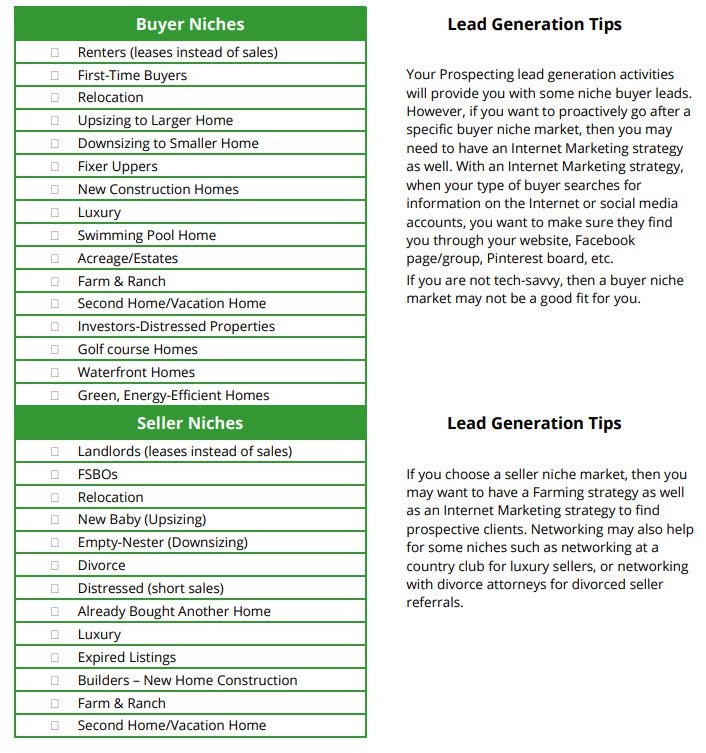
Niche Market Summary

You can only use the MLS to analyze some types of niches, not all of them. There is no MLS field for “first time home buyer” but there are fields for: Private Pool, New Construction Home, Golf Course Lot, etc. Use p. 9 on the How to Find a Profitable Target Market worksheets to get an idea of what’s available in your market, so you can evaluate if it may be a profitable niche.

Select a Profitable Target Market

Once you understand your market, then you should select a “target market” to focus your marketing efforts on. Of course, you will help clients buy and sell anywhere in your primary market, but that area may be too big (and expensive) to “target” your advertising efforts…especially your first year. So it is wise to select a secondary market, farm area, or niche market to set as your “target market.”
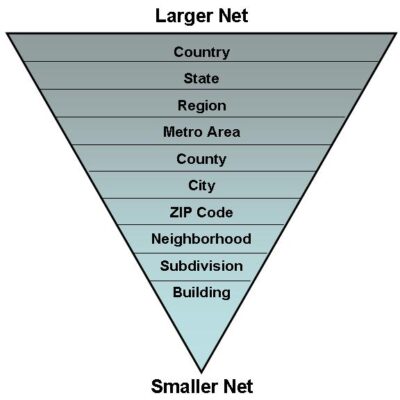
define-market-areaFor example, your target market may be:

  • One favorite neighborhood/building/subdivision (farm area)

–Or–

  • Top 5-10 selling neighborhoods in the city (secondary market)

–Or–

  • Top 5-10 selling high-rise condo buildings in a ZIP Code (secondary market)

–Or–

  • One niche market in the city (golf course homes)

–Or–

  • A combination…one farm area and one niche market

The size of your target market is important. It must be active enough (with a high number of sales) to provide enough sales in order for you to reach your business goals, but small enough for you to cover effectively. If you live in a metropolitan area, such as Chicago, you probably can’t cover the entire metro area, so you will need to “drill-down” to a secondary market, niche market, or farm area. However, if you live in a rural area, you may have to cover several small towns in your region, or an entire county, in order to meet your income goals.

Write Down Three Potential Target Markets

List the top three possible target markets for you on p. 10 of the How to Find a Profitable Target Market worksheets.

Do the Possible Target Markets Have Enough Sales?

Before you waste time focusing on a specific target market, double-check to make sure it has enough sales to support your income goals.

*Market Share Percentage: This varies depending on how much market share you think you can obtain in the neighborhood. If you think you can get 20 percent market share, then multiply the number of homes sold in that market per year by .2 (20 percent), and make sure the total is greater or equal to your goal for the number of homes you want to sell each year.

If a potential target market does not have enough annual sales to support your business goals, then you should either select a different target market or combine several neighborhoods in your target market (such as the “Top Ten Neighborhoods in YOURCITY”).

Are You a Good Match for the Target Market?

It is often said in real estate that people want to work with people they “know, like, and trust.” The more two people have in common, the more likely they will “like and trust” each other. So it is important for real estate agents to focus on markets that consist of people similar to them. For example, if you are a single, 20 year old, driving a 10 year old beat-up car, with only a high-school education, then you may have a hard time getting affluent, well-educated couples living in luxury neighborhoods and driving luxury cars to hire you. Or if you are a 60 year old who has a hard time with technology and hates to text or participate on social media, then you may not get hired by many Millennial first-time home buyers.

To make your life easier, and your career more successful, you must double-check yourself with your target market. If you are a mis-match to your chosen market, then select a different target market or discover ways to overcome the obstacles that you will face.

Research the demographics of your potential target markets and complete the table on p. 11 of the How to Find a Profitable Target Market worksheets. Some of this information may be difficult or impossible to obtain at a neighborhood or niche level, but the thought process is very helpful.

Your Target Market: ___________________________________________

Summary

Selecting the right target market is one of the most important steps in building a successful real estate business. Without the right target market, you are likely to spin your wheels, waste time, and waste money and then wonder “What’s wrong with me?” when your marketing activities don’t work.

Taking a careful study of your primary and secondary markets, as well as possible niche markets, will enable you to choose a target market that will be profitable for your business. Double-checking to make sure that there are enough sales in the target market to meet your business goals is another way to ensure that you don’t waste time on the wrong market.

Finally, it’s important to match both your target market and your marketing activities to YOUR unique personality. This will help you be more effective at marketing your business, since most people want to do business “with people they know like, and trust.” Plus, choosing the marketing activities that are a match for your personality will help prevent burnout and make it easier for you to enjoy your lead generation efforts.


how to find profitable target market in real estate
CLICK TO DOWNLOAD

DOWNLOAD WORKSHEETS

Zero in On the Right Area – Dominate Your Local Real Estate Market

Too many new agents jump into the business without a clear strategy—and end up spinning their wheels in areas with little activity or profit potential. This guide changes that.

Go through the step-by-step process with the worksheets in this guide and you’ll find the perfect target market for YOU.




Most Powerful Way of Understanding Lead Generation in Real Estate

Overview of Lead Generation in Real Estate

“Lead generation” is a phrase that real estate agents use to describe the process of advertising their business to find clients. When people talk about lead generation in real estate, they may use the following words interchangeably:

Advertising = Marketing = Prospecting = Lead Generation

Likewise, you may hear potential clients referred to in multiple ways: Leads, Prospects, Buyers, Sellers, Mets, and Unmets.

easy marketing plan template real estate
CLICK TO DOWNLOAD

Lead generation is the most important aspect of your real estate business, because it’s how you find clients. If you don’t have clients, you can’t sell houses and make money, no matter how good you are at other parts of your job. You may be the best home stager, transaction manager, and negotiator in the world, but without clients, it doesn’t matter.

There are many individual activities you can do to generate leads, but instead of listing all the lead generation activities in one long list, it’s more effective to categorize them into four primary strategies:

  1. Prospecting
  2. Digital (Internet) Marketing
  3. Farming
  4. Networking

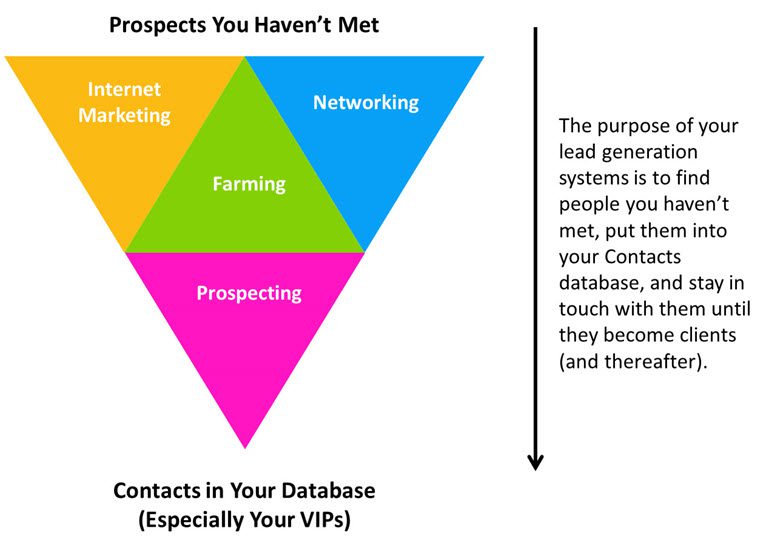
Each marketing strategy requires that you put a system in place—a collection of tools and regular activities—in order to attract leads and get their contact information into your database of Contacts. These systems are interrelated and you can think of Digital (Internet) Marketing, Farming, and Networking as a way to meet people you don’t know yet (Unmets) to put them into your Prospecting system (Mets) so you can stay in touch with them and convert them into clients.

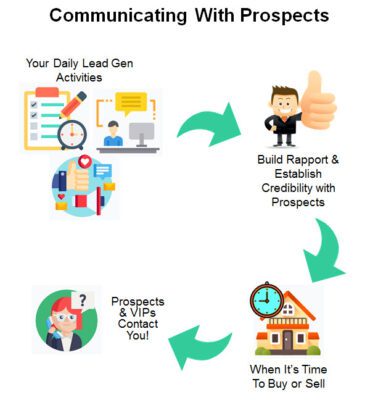
real estate lead generation funnel

The main marketing system that ALL real estate agents need is a Prospecting System. Your Prospecting system is the core of all your lead generation activities. The main purpose of your Prospecting system is to communicate with people you already know on a regular basis, through your daily lead generation activities. Your communications should build rapport and establish your credibility with your prospects. Then, when it’s time to buy or sell real estate, your prospects will contact you because of your ongoing relationship building activities.

Check out the real stats on Why You Need a Robust Prospecting System

What’s more, as you stay in touch with your prospects, you will receive referrals from them to continually build your database of Contacts. Make sure that you always do a good job of following up on referrals and converting them into clients.

The purpose of the other three systems is to meet people and move them into your Prospecting system so you can stay in touch with them.

Understand the Four Primary Marketing Strategies for Lead Generation

Again, there are four primary marketing strategies that you can use to find clients:

  1. Prospecting your existing “Sphere of Influence” (people you already know)
  2. Digital Marketing with your own business website (attract new people)
  3. Farming a geographical area (attract new people)
  4. Networking (attract new people)

Some strategies are good for some types of target markets, while other strategies may not be. You do not need to implement all four marketing strategies. Most agents can be successful by focusing on one or two strategies…especially your first year.

You can’t do everything at once, so get proficient at one or two strategies, that best match you and your target market, and you can add other strategies later—if necessary.

Prospecting for Lead Generation in Real Estate

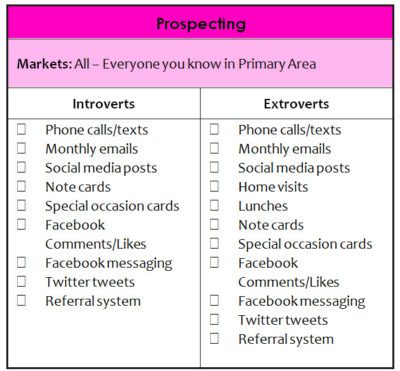
All agents should use Prospecting as a marketing strategy because it can be the fastest, easiest, and least expensive way to generate both buyer and seller leads. This is a process where you stay in touch with the people you already know, who live in your market area or nearby, and ask them if they know anyone else who needs a real estate agent. This is referred to as “staying top of mind” in the industry. You do this over and over again in various ways: phone calls, emails, texts, special occasion cards, lunches, social media, etc.

prospecting as a real estate lead generation system

If you already know a lot of people and have a large Sphere of Influence (SOI), then this marketing strategy may be the only method you need to build your business. However, if you have a small SOI, then you will need to use this strategy, and at least one other marketing strategy, to build your business.

Here are some challenges that you need to be prepared for with Prospecting:

  • Everyone in your SOI probably already knows several other real estate agents. They may be hesitant to offend any of their real estate agent friends (by hiring you).
  • Friends and family members may be hesitant to hire you because they don’t want you to know their financial situation.
  • People who know that you are brand-new to real estate may not feel comfortable hiring you to handle their largest financial investment…you have no real estate credibility with them—yet.

If you run into these challenges, then you will need to use one or more of the other three marketing strategies to meet new people and convert them into clients.

Farming for Lead Generation in Real Estate

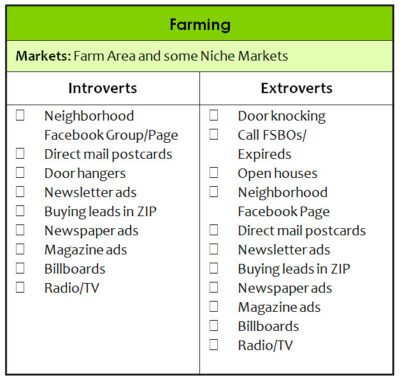
Farming is very common with real estate agents and can be effective at finding seller clients (and sellers are usually buyers as well). This is where you focus on a limited area (such as one neighborhood or building) and try to build a client-base in that area through consistently repeated activities, such as maintaining a neighborhood Facebook page, hosting open houses, door knocking, direct farming as a real estate lead generation systemmail, calling on Expireds and FSBOs in the neighborhood, etc.
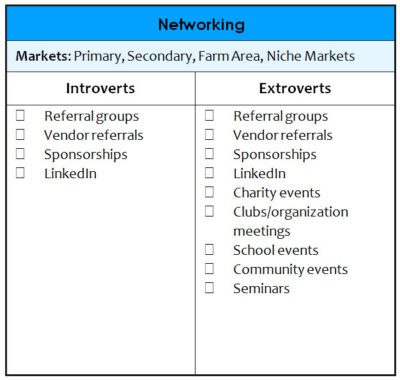
A Farm area is limited geographical area. You don’t “farm” an entire city, only a selected area. There is one exception: Farming a niche market that is house/lot type-specific. You can send direct mail to home owners who live on waterfront properties, luxury properties, golf course properties, etc. within a specific ZIP Code (for example).

Generally speaking, this method can be very effective for Extroverts (who don’t mind door-knocking or cold-calling FSBOs and Expireds) or Introverts with a large budget (because direct mail, billboards, and print advertising can be relatively expensive). However, this method can take time and greatly depends on your consistency. Don’t expect one newsletter advertisement or one direct mailing of postcards to generate a huge amount of leads. You need to consistently advertise and mail over a long period of time (at least 10 months). That’s why you may need a large budget.

At a minimum, you should plan your budget to include sending at least 200 pieces of direct mail each month for 12 months (the entire year) as part of your Farming strategy.

If you are going to Farm a target market, then you should also review your competition in that farm area. Use your MLS to search for selling agents with the most sales in your Farm area. However, don’t let competition prevent you from farming an area that is right for you! Find the weaknesses in your competitor’s strategy and then implement a strong Farming strategy of your own.

About Buying Leads

These days there are various services where you can buy leads or sign up as a recommended real estate agent, such as Zillow Premier Agent, Nextdoor, Google Screened, Market Leader, etc. Generally, these leads are for a specific area, such as a ZIP Code. So the marketing activity of “Buying leads in ZIP” is considered to be a Farming strategy, because it focuses on a specific area…even though it may be for an entire ZIP code and not just a neighborhood.


Networking for Lead Generation in Real Estate

Networking is the process of getting involved in local schools, charity events, and organizations in order to consistently meet new people. Once a new person is in your Contacts, then you will use Prospecting techniques to stay in touch with them on a regular basis.

networking as a real estate lead generation systemAnother form of Networking is working with other business owners and vendors you know and setting up informal agreements whereby you send them referral leads in exchange for them sending you referral leads. An organization that specializes in this is called BNI, Business Network International (see www.bni.com). You may want to see if there is a BNI group you can join in your area…or start one up!
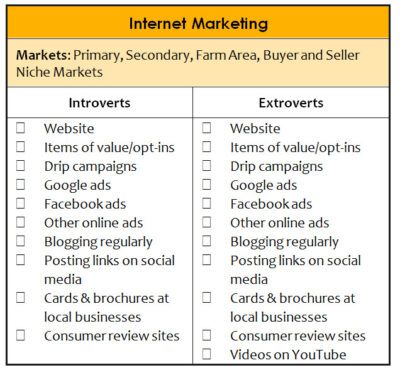
Networking can be relatively inexpensive. Attending meetings should not cost that much, although membership fees and ticket prices can certainly add up. However, you need the right personality to Network effectively. If you are super-Introverted, then attending large gatherings of strangers on a regular basis may not be suitable for you on a long-term basis. But if you have an out-going Extroverted personality (or can fake it!) then attending a few networking events each month may be a good method for building your business.

Keep in mind that attending events, by itself, is not enough to build your business. There is an “art” to Networking effectively, so read some of Ivan R. Misner’s books on the subject to maximize this method of lead generation, such as:

  • The 29% Solution
  • Networking Like a Pro
  • Business by Referral

Digital Marketing for Lead Generation in Real Estate

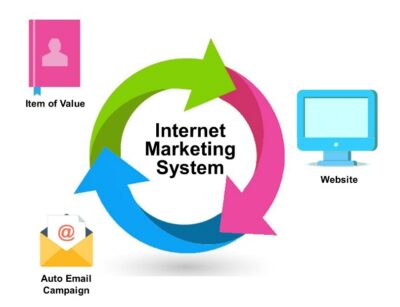
Digital (Internet) Marketing is a system that uses a website to offer unique Items of Value (IOVs) that people want and (hopefully) can’t find anywhere else. An example would be a “Top Places to Live In YOURMARKET” guide which is a great overview of the top neighborhoods in your area. When a prospect signs up for the guide, they willingly give you their contact information.

digital marketing as a real estate lead generation systemOnce the contact information is in the system, an autoresponder automatically emails the IOV to the prospect, and then sends “drip” emails to the prospect on a regular basis. This “drip campaign” is designed to establish your credibility and build rapport with the prospect, with the hope that they will contact you when they are ready to buy or sell.
The terms “Digital Marketing” and “Internet Marketing” are used interchangeably. 🙂

This method of marketing your business takes a bit of time and effort to set up, but then it works for you 24X7, even when you sleep, for the rest of your career. It works best at attracting buyer clients, but can provide seller clients too, since most home buyers are home sellers too.

Having a website (such as a broker-provided website) that does not offer an Opt-In for an Item of Value, and is not tied to an automated drip campaign, is not an Digital Marketing System (IMS). Having accounts on Facebook, Instagram, Pinterest, and LinkedIn is not an IMS.

overview of digital marketing systemTo be a complete Digital Marketing System, you must have all three parts in place:
  1. Item of Value to offer (with sign up page)
  2. Website to advertise the IOV
  3. Automatic email (drip) campaign

Digital Marketing is relatively inexpensive (compared to print advertising and direct mail campaigns) and long-lasting. If you spend 4 hours preparing for and hosting an Open House, when you are finished, that time is gone. How many leads do you have to show for it? But if you spend 4 hours writing a web page about a specific neighborhood, then that page can generate leads for years to come.

Plus, in today’s social world, people expect high-quality, successful agents to have a great website and digital platform. They want to see you “all over the Internet” when they vet you via online searches. So this kind of marketing strategy works very well at building your reputation as the local area real estate expert.

Summary of Marketing Strategies in Real Estate

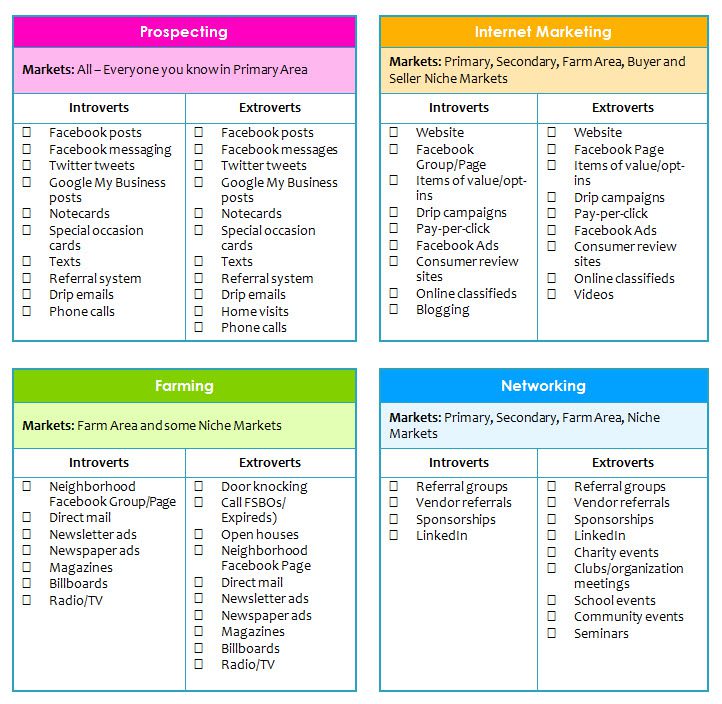
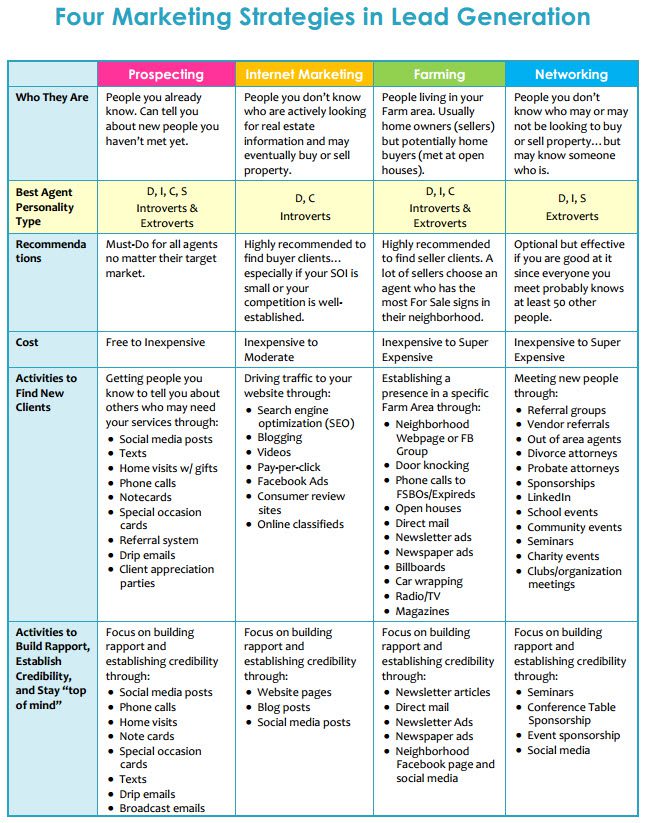
The following graphic summarizes the four primary marketing strategies to help you with lead generation in real estate.

summary of four primary real estate lead generation strategies

Keep in mind that there is no ONE perfect marketing strategy or lead generation system for all real estate agents. Some real estate agents succeed with a Farming strategy focused on open houses, while others do not. Some agents succeed with a Networking strategy focused on volunteer work at their kid’s school, while others don’t have school-aged kids and can’t use this strategy. Some agents succeed with a robust Digital Marketing strategy (like me!), while others do not.

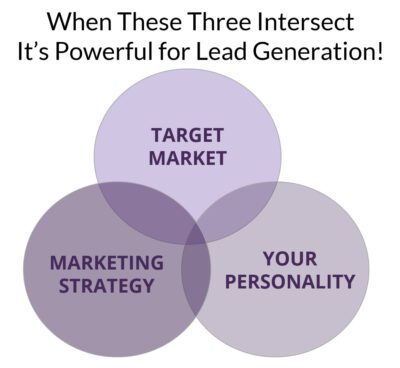
Newbie agents are often looking for that ONE perfect system. However, what you should be focused on is finding the synergistic intersection between a profitable target market in your area, matched with your unique personality and skillset, and matched with the right marketing strategy for you and that target market. When those three things intersect and work together, that results in a powerful lead generation system.

powerful lead generation

Decide On the Best Marketing Strategy for You

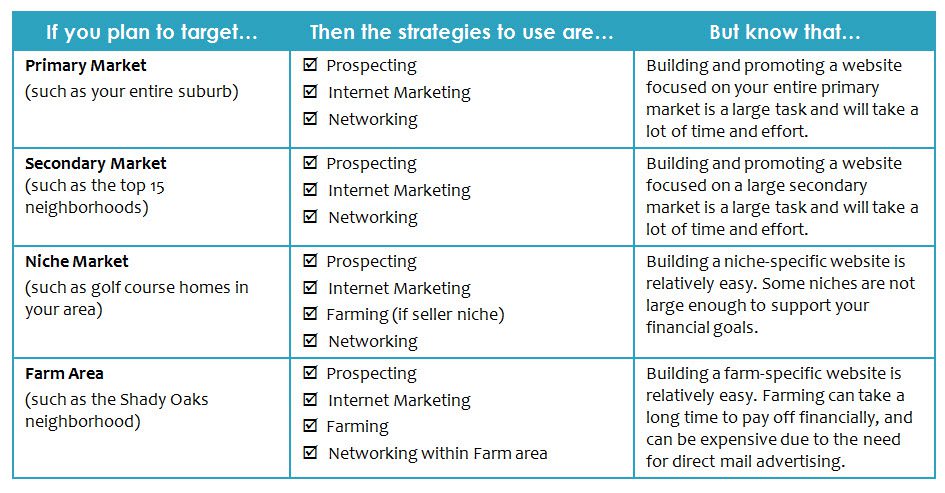
You don’t have to use all four marketing strategies. You should only choose the strategies that are compatible with your personality, budget, and target market. During your first year, you may only implement one or two marketing strategies, and then add another strategy next year. It’s better to get really good at one or two strategies first, and then add more later, than to try to do everything your first year.

Your Target Market: ___________________________________

If you don’t know your Target Market (which may be the most critical aspect of being successful at lead generation) then you need to take the time to analyze your market and select a PROFITABLE target market. Don’t just “wing it” on this part of your lead generation strategy. You don’t want to waste a lot of time and money on the wrong target market.

Learn How to Choose PROFITABLE Target Market

For example, you may think Farming the neighborhood where you live is a good idea. However, if your neighborhood has low turnover (such as only 10 sales a year) and you need to sell 15 houses to meet your income goals, then even if you had 100% market share, you still would not meet your goals.

Or if you choose a niche based on your personal interests, but that niche doesn’t really exist in your market area, then you will be wasting time and money.

If you truly want to be successful in real estate, then choosing a profitable target market based on real data analysis is the best way to achieve your goals.

Consider Your Personality

Your personality type should greatly influence the marketing strategies that you choose. You don’t have to do ALL the marketing activities available. Being great at just a few things can be much more effective than being mediocre at many things.

Go online right now and take a free DISC assessment as well as a free Myers-Briggs Type Indicator assessment to help determine your personality type.

Matching your personality type to the right marketing activities is useful in preventing burn-out and frustration. For example, if you choose Networking as your primary marketing strategy, but you are naturally Introverted, then you will probably burn-out very quickly. However, if you are super-Extroverted, then Networking will be an easy and natural way for you to market your business.

Consider Your Budget

Your budget will also influence the strategy you choose. If you have a very limited budget, then Farming an area with direct mail, billboards, and newspaper ads may not be possible at the beginning of your career. However, you can use some low-cost Farming techniques such as door-knocking and hosting open houses.

Consider Your Target Market

The type of target market and niche that you want to focus on will also influence the type of marketing strategy that you choose. Think about your target market and how they find information about real estate. If your market is first-time home buyer Millennials, then Digital Marketing will be a smart choice because they probably use the Internet to find information. However, if your target market is retirees looking to downsize, then Digital Marketing may not be effective (since that market may not be likely to use the Internet to find you).

Learn How to Choose PROFITABLE Target Market!

about four primary real estate lead generation strategies


Choose Your Marketing Activities

After you select the best marketing strategies for you and your target market, then you should decide which marketing activities you want to implement your first year. For example, if you plan to target the First-Time Home Buyer niche, they are probably Millennials, so you will need to use social media activities in the Prospecting strategy as well as implement an Digital Marketing campaign that targets first-time home buyers in your area. If your target market is FSBO sellers, then you will need a strong Farming campaign, but you may not be able to afford Radio/TV ads yet.

Think about your target market as you go through the following tables and check off the specific lead generating activities that you can implement this year, that match your personality (Introvert or Extrovert) and your budget.

Once you have chosen a profitable target market, decided on your marketing strategy, and determine the list of marketing activities that you want to implement, DOWNLOAD the Easy Marketing Plan Template for Real Estate Agents and fill it out. It will help you plan the steps you need to take to set up your marketing systems. Then you will know exactly what you need to do to set up a marketing strategy (lead generating system) that actually works: Generating leads and converting them into clients.

Summary

When you’re trying to grow your real estate business, lead generation in real estate is one of the most important skills that you should master. You’ll need reliable systems that help you meet new people, stay in touch, and turn into clients.

Our unique way of teaching lead generation in real estate organizes all the possible 100+ lead generation activities into four major strategies—Prospecting, Digital Marketing, Farming, and Networking—so you can choose the right fit based on your personality, budget, and target market.

Not every strategy is right for every agent, so the key is choosing one or two approaches that match YOUR unique strengths. That way you won’t burn out like you will if you try to force yourself to do things that aren’t a good match. Whether you’re an introvert or an extrovert, on a tight budget or ready to invest, there’s a lead generation system that will work for you. The sooner you focus on building the right system, the faster you’ll start attracting clients and closing deals.

Use our Easy Marketing Plan Template for Real Estate Agents to create a marketing plan that will actually grow your real estate business.


easy marketing plan template real estate


DOWNLOAD TEMPLATE

From Guessing to Growing: Create a Real Estate Marketing Strategy That Delivers

This Easy Marketing Plan Template gives you a guided structure for choosing the right lead-generation strategies, aligning your marketing with your income goals, and developing a marketing plan that will help you on the path to success.

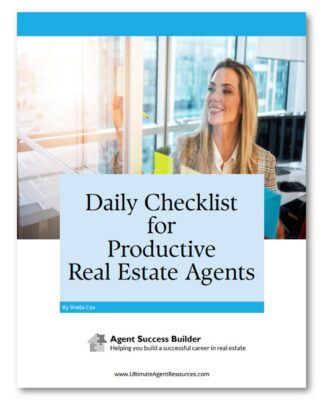
daily checklist for productive agents

Daily Checklist for Real Estate Agents

Stay Focused, Stay Consistent, and Start Closing More Deals—One Day at a Time

This Is How To “Work Your Database”!

You have work tasks to do every day, even if you don’t have any active clients. Use a new, blank Daily Checklist for Real Estate Agents each day to remind you of your important lead generation activities and to record your notes about the day. If you start by 8 a.m. each morning, then you should be finished by 11 a.m. or noon. Then you have the rest of the day for going on appointments or doing other things.

Start Your Day (Goals & Calendar)

The first thing you should do each morning is turn your phone ringer off! You need undistracted focus to be successful. In fact, you can set a Do Not Disturb rule on your phone so that the ringer is automatically turned off until noon.

Daily Checklist for Real Estate Agents
CLICK TO DOWNLOAD

Also turn off email notifications on your phone and computer. You do not need to be notified every time you get an email. You should only check your email at certain times of the day…not constantly. You can return non-new-lead phone calls and texts in the afternoon.

Start your day with a blank Daily Checklist for Real Estate Agents and then write your top goals at the top. Manually writing your goals every day is a good reinforcement technique. Some people manually write all their goals at least ten times a day.

Now review your affirmations and repeat each to yourself 10 times while visualizing yourself achieving the affirmation or goal. This helps you “begin with the end in mind” every single day. Focusing on your goals and affirmations at the beginning of each day will help you achieve success!

Next, check your calendar for the day and review any appointments that you have that day.

Lead Follow-Up

In the Lead Follow-Up section, write down your Start Time so you can keep track of the time you spend on this activity. Next, check your voice mail and, using a notepad, write down any new leads who have left messages. Also check your texts and emails and write those down too.

Once you have written down all the new leads that you need to follow up on, start calling each of them back (if you have their phone number) or emailing them back if that’s the only contact method you have. During the conversation, make sure you ask, “How did you hear about me?” It is very important to keep track of where your leads come from, so you can know what activities are working and what’s not. Sometimes leads will be vague, not knowing exactly how they heard about you, but do the best you can to track the source of the lead.

During the conversation, you should try to set an appointment with the prospect (if applicable). If the prospect doesn’t answer your call, text that you did call them, and set a reminder to call back tomorrow. Call every day for a week before giving up.

When you are finished following up on leads, write down the End Time and then the total amount of time you spend on Lead Follow-Up.

Prospecting Your Sphere of Influence

After you do your Lead Follow Up, then you will move to the Prospecting section of your checklist. Write down the Start Time on the Daily Checklist for Real Estate Agents.

First, check your Calendar for birthdays and anniversaries and call those people first. If you don’t get an answer, then send a text.

Then check this week’s Call List. Write down the VIPs that you need to contact today on your checklist. Start calling those VIPs and building/maintaining your relationship with them. If you don’t get an answer, then write a quick note card to mail to them. Alternatively, you can email them, send a text, or send a Facebook message (depending on what the VIP likes best), but a handwritten note card is recommended (since so few people do that any more). Check off the ways that you reached out to each VIP on your Daily Checklist for Real Estate Agents.

Here are some Topics for useful conversation starters when you call your VIPs:

  • Comment on their recent Facebook posts…something going on in their life.
  • “I’m just calling to check-in and see how everything is going…”
  • “Want to go to lunch this week?” (or meet for coffee)
  • “Do you know about the XYZ event coming up?” (local events)
  • “What’s going on in the neighborhood these days? How do you like living there?”
  • “Everything ok with the house?”
  • “Are you on LinkedIn? Wanna Endorse each other?”
  • “Did you see my FB post about _______? Will you please Share it with your Friends?”

Be prepared to talk about something going on in your career…happy, funny, or interesting. Never complain about your career, or clients, or being too busy. Be positive and happy. Offer to do CMAs or set up monthly Neighborhood Watch searches for them, or email/text a link to something new that you just wrote. Regular market reports are something that most people are interested in.

You can ask for referrals (“Know anyone who wants to sell their house soon?”) but only in a friendly, casual way…don’t annoy your VIPs by asking for business every time you talk. Contacting them regularly will keep you “top of mind” so they will remember you when their friends and family talk about real estate.

Offering to help your VIPs in some way is a great way to build your relationship, so as much as possible, give your VIPs referrals as well. Helping your VIPs will motivate them to help you too.

Try to contact at least one VIP person a day (1/day x 5 days/wk = at least 20/mth!). The more people you contact, the better. When you are finished Prospecting your VIP list, write down the End Time and Total Time.

Daily Personal Post on Social Media Platforms

Calling your VIPs is very important, but you will also stay in touch with them, as well as other prospects, on various social media accounts (Facebook, Instagram, LinkedIn, etc.). You should try to do a personal post at least once a day to as many of these accounts as possible. To make this process easier, you can write a post on Facebook first, and then copy and paste it to your other social media accounts.

Rotate the type of personal posts you do daily….one day a funny post, the next a business-related post (Open House, Closing, new listing, market update), the next day a current event, etc. Mix it up! Don’t post about business (as your personal post) more than a couple of times a week. Make sure you sound upbeat and excited on posts about your career.

After you create a personal post and copy it to all your SM accounts, then spend 15-30 minutes (set a timer) Commenting, Liking, and Resharing your VIP posts on various SM platforms. The goal is to maintain rapport with your VIPs and other prospects by showing them that you are paying attention to their posts.


Tips for Social Media Posts:

    • Include a photo or video on all your posts.
    • Set the Privacy to Public so your posts can be reshared by your Followers.
    • Ask questions that people can respond to regarding your posts, such as:
      • How true is this? Like and Comment if you agree!
      • Tag a friend who would like to see this.
      • Who else thinks…
      • What do you think about…
      • Do you agree that…
      • What’s your favorite thing about…
      • Tell me what you think: Smiley face = Yes and Angry face = No.
    • Don’t complain about anything to your Followers and don’t post religious or political posts. (If you feel this is necessary, then do that privately with a limited Friend List designed for that purpose.)
    • Reply to all Comments on your posts.

Daily Business Post

It is very important that you keep your FaceBook Business page fresh and up-to-date. So make sure you post business-related posts to your FBP account each day. Then copy and paste that post to your other accounts, as appropriate, that are listed on the checklist. This includes your LinkedIn account, Instagram account, etc.

Remember that the Followers are probably interested in your market area, so each day you can post interesting information about your market to keep your page fresh and remind people that you sell houses in that area. Information that comes from your City and Neighborhood Worksheets will be good to post (with photos or short video clips), such as “Check out the pickleball court in NeighborhoodX” or “Have you been to these YOURCITY parks?”

You can also reshare helpful posts from other sources like the city’s Facebook page, or the county’s office of emergency management, the local baseball team, or the sheriff’s office, etc. Follow those types of pages so you can reshare them when something interesting pops up.

Most people like to look at houses, so you can create posts of the “Top 10 Most Expensive Homes in Tulsa” and “20 Dream Homes in Beaumont” or “Spectacular Kitchens in Phoenix” (for example) and post them on your social media pages as well. Learn how to use your MLS to quickly create these lists of homes for sale and then make them available for the public to view. On your posts, link to the web page where those listings can be viewed. If you find a really interesting list of homes, then reshare that business post to your personal feed on Facebook.

NOTE  If you want people to reshare your Facebook posts, then make sure the Privacy is set to Public.

You will need a collection of un-copyrighted photos for some of these business posts. Don’t use photos of listings that are not yours. You should already have a collection of local area photos from the tours you did when using the How to Become a HyperLocal Real Estate Expert guide. You can also purchase royalty-free photos on iStock or some other online photo service.

Building Your Website

If you are using a Digital Marketing strategy (generating leads from your business website) then you should try to write a new real estate article several times a week. Then link that article on all your social media platforms by posting about the article on all those platforms.

This builds your website over time and also drives organic traffic to your website. (While simultaneously building your Local Area Expertise.)

Track Lead Generation Activities

Make sure you have a way to keep track of the time you spent on your lead generation activities today. Also track the results so that, over time (3 to 6 months), you can see what activities create the most leads and what activities don’t seem to work. Only do activities that are giving you results over time. Don’t waste time or money on activities that don’t work.

Go on Appointments, Or…

Now it’s time to go on the appointments that you have set for the day. If you don’t have any appointments, then do other lead generation activities, depending on your Marketing Strategy

Are you Farming a neighborhood? Then set up an Open House, write a newsletter ad and get it published, go door knocking, or drive the neighborhood looking for FSBOs to call.

Are you a Networker? Then find a meeting or event to attend this week or contact people in your Vendor Referral Network (painters, contractors, etc.) and see if they have any referrals.

Summary

The Daily Checklist for Real Estate Agents is designed to help you start each day with focus, structure, and intention. You’ll begin by setting clear goals, reviewing your calendar, and blocking off quiet time to handle your most important work without distractions. Each day, you’ll follow up with leads, connect with your sphere of influence, and post both personal and business content on social media to stay visible and build trust. You’re also encouraged to publish blog content regularly to grow your website and attract new clients. Whether you have appointments or not, this checklist keeps you focused on productive habits that drive long-term success.


Daily Checklist for Real Estate Agents

Stay Focused, Stay Consistent, and Start Closing More Deals—One Day at a Time

This Is How To “Work Your Database”!

Success in real estate isn’t about luck—it’s about having a plan and sticking to it. This Daily Checklist for Productive Agents was created specifically for new and rookie agents who need structure, direction, and daily motivation to grow their business.

Print this checklist and use it everyday to fast-track your success!

DOWNLOAD CHECKLIST