Welcome to Real Estate!
You asked for it! Here’s exactly how to become a real estate agent…step-by-step.
To become a “Top Producer,” it will take a lot of hard work and effort, but you can do it! Focus on building your business step-by-step, one day at a time. This guide and checklist will show you the way. You don’t have to figure it all out by yourself!
And the good news? Being a real estate agent can be lucrative if you succeed at it. According to the National Association of Realtors Member Survey 2024, the median gross income for REALTORS® in 2023 was $55,800/yr, with the top 20 percent earning a median gross income over $150,000.
Core Competencies to Develop
Generally speaking, to succeed in this business you need to excel in six Core Competencies. So as you move forward, don’t waste time on things that don’t support these Core Competencies:
- Contracts & Laws
- Transaction Management
- Marketing & Promotion
- House Knowledge
- Local Area Knowledge
- Property Valuation
Make sure that, whatever you are learning or doing, fits into one of these areas.
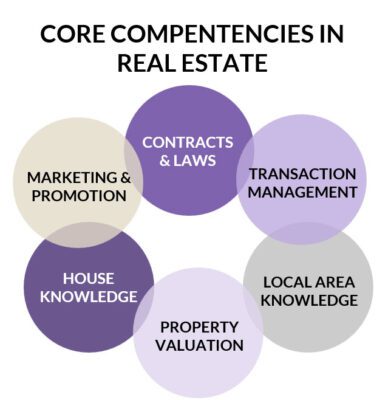
And also make sure that you don’t just focus on one, two, or three Core Competencies (which is why a lot of agents fail). Make sure you work to develop skills in all six competencies.
8 Stages of a Real Estate Career
Learning how to become a real estate agent takes time; it is not something that you can “learn in 30 days.” In fact, it takes most people several years to set up a successful real estate business. However, you will achieve success faster and easier if you follow the most effective training path, which includes 8 stages:
- Setting Up Your Real Estate Business
- Marketing Your Real Estate Business
- Developing Your Real Estate Expertise
- Learning to Price Properties Correctly
- Learning How to Work with Home Buyers
- Learning How to Work with Home Sellers
- Implementing Advanced Lead Generation Strategies
- Developing Advanced Skills
Keep in mind that as a real estate agent you will be continuously learning new things…your “training” will never stop! If you are a fan of learning and continuous development, then this is one of the best aspects about being a real estate agent…there is always something new to learn.
Stage 1 – Setting Up Your Real Estate Business
There are many things to learn and do at the beginning of your real estate career AFTER you obtain your real estate license. Make sure that you start with good financial habits, which include creating your preliminary budgets and forecasting your income correctly. Your income forecast will help you set realistic and effective goals at the start your real estate business. Effective goal setting is a skill that will help you be successful.
 You also need to understand compensation plans and how they will affect you financially BEFORE you begin interviewing brokerages. How can you choose the right brokerage if you don’t understand how you will be paid?
Make sure you know the most effective way of choosing the best brokerage for you and your specific situation. There is no one, prefect brokerage for all real estate agents. Use the Broker Decision Analysis to effectively evaluate brokerages and find the one that best meets your specific needs.
Once you choose a brokerage, then you will need to set up your business. This involves many different activities including setting up your office, creating a safety plan, learning Fair Housing Laws, etc. As a real estate agent you are not an employee, you are a small business owner, so you need to treat this new career as a business.
After you get your business set up, then it will be time for you to learn all the details about real estate contracts and addendums so that you can explain them to your clients and maintain legal compliance. Creating contracts and addendums is a core competency and you must get really good at it.
 You will also have several technology systems to learn (in order of priority):
- MLS system (most important tool we have!)
- Appointment Scheduling System (to make appointments to show houses)
- Online Signature System (such as DotLoop or Docusign)
- Brokerage Compliance System (to get paid for transactions)
- PDF Creator (for creating and managing contracts)
- Screenshots (for communicating with your clients)
Other things to work on in this stage of your career include: effective mindset habits, time management practices, and communication skills.
Stage 2 – Marketing Your Real Estate Business
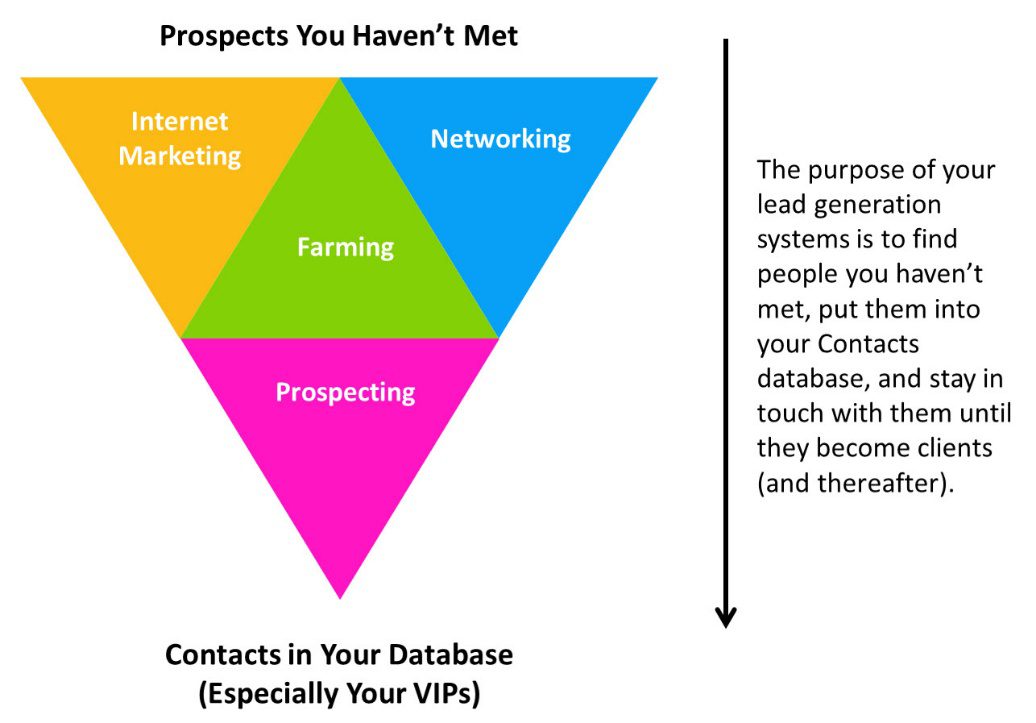
 Once you get your initial real estate business set up, then you will begin marketing and advertising your real estate business. This is more than just getting some business cards, For Sale signs, and sending out a letter to people you know to tell them you are now a real estate agent! To effectively market your new real estate business, you need to learn and understand “lead generation” for real estate and how to set up the right systems for your business.
You will also need to make sure that you choose a profitable target market. You don’t want to waste time advertising and marketing to the wrong market. So learn how to effectively analyze your market and choose a target market that will be the right choice for your personality, in your area, and that will enable you to reach your financial goals. Most new agents just take a guess at what target market to go after, and so most of them fail. If you take the time to truly understand your options, then you can shorten the time it takes for you to start earning a living in real estate.
Once you know your target market, then you can begin developing a personal brand that is appealing for that target market. This will include creating a digital platform and social media accounts to promote your business. This will also include setting up a Prospecting system and following a Daily Checklist to keep in touch with your VIPs and find people who want to buy or sell a property. As a new real estate agent you will often hear, “Work your database.” Your Prospecting system is HOW to “work your database.”
Stage 3 – Developing Your Real Estate Expertise
So after your real estate business is set up and you’ve started marketing your business, then it’s time to develop your real estate expertise. Usually the information that you learned in real estate school is only enough to help you pass the state exam and get your license. Now you have to learn the REAL WORLD aspects of being a real estate agent.
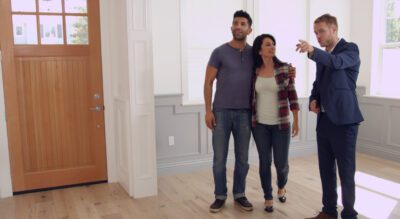 So what is “real estate expertise”? If you are going to be effective at selling houses, then you need to know a lot about houses…more than your buyers and sellers know. You need to know common issues in your area, how to mediate them, how much that may cost, etc. You need to know about foundations, roofs, windows, countertops, etc. People want to hire real estate experts. That means you need to really know your product.
In addition, there is a saying that all you need to know about real estate is “location, location, location.” So you need to become a hyper-local expert who knows everything there is to know about your city, county, schools, neighborhoods, etc. Start learning this early in your career so you can compete with the long-time agents who already have this knowledge.
Other skills to develop include “people skills” and working with other agents. Truly…most people need a lot of help in this area! Being a friendly, gregarious, out-going extrovert is not what it takes to succeed in this business. You need to learn to work with difficult people and handle negative situations and attitudes professionally in order to achieve the right outcomes.
Make sure you also know the applicable real estate laws, rules, and regulations (more than what’s taught in real estate school!) so that you stay out of legal trouble. And start develop strong problem-solving skills because no two transactions are ever the same.
Stage 4 – Learning to Price Properties Correctly
 The ability to price properties correctly is a skill that most home buyers and sellers are looking for in a real estate agent. Unfortunately, there are very few good CMA courses for real estate agents. The standard CMA courses that new real estate agents go through may only cover how to use the MLS to find “comps.” This is not enough knowledge to truly price properties correctly.
Make sure you learn as much as you can about your MLS system and tools (both beginner and advanced classes) but also learn more in-depth valuation strategies if you want to be a great real estate agent. Developing accurate CMAs (Comparative Market Analysis) is a core competency in real estate!
Stage 5 – Learning How to Work with Home Buyers
As a new agent, you will probably find it easier to get buyer clients than seller clients, so focus on learning to work with home buyers first. This will include learning the entire home buying process and all the action items that you are responsible for as a fiduciary agent. As a real estate agent, you are required to manage the transaction all the way to the Closing (if you want to get paid).
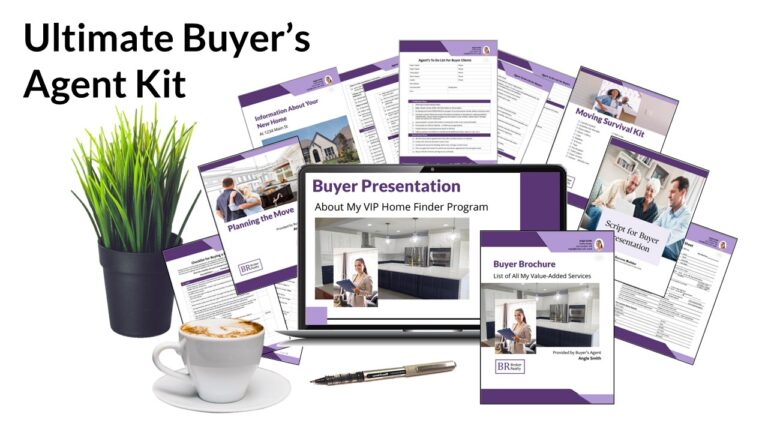
You will need to create many items to work with home buyers effectively: Buyer presentation, brochure, transaction management forms, notebook for first meetings, etc. You will also need to learn how to set up custom home searches on your MLS and create home tours to show houses. This requires hyper-local knowledge so you can help buyers find the type of home they want to buy.
Clients will expect you to be able to point out the features and materials of houses as well as any potential costly defects. This is (hopefully) why you began developing your product knowledge early on!
 As a buyer’s agent, you also need to know how to schedule and manage home inspections, handle repairs, work with the title companies and lenders, and facilitate a Closing. There are many parts to managing a transaction for home buyers, and failing to do so effectively will negatively impact your reputation and career.
Stage 6 – Learning How to Work with Home Sellers
Working with home sellers is the goal for many real estate agents. To get seller clients, you need to create a Listing Packet, a Seller presentation, and your seller transaction forms. You also need to know how to set up and conduct Listing appointments and get signed Listing agreements. Make sure you are able to explain “representation” and commissions effectively, as well as all the points of the Listing agreement and sales contracts.
Once you acquire a new seller client, then you need to know how to guide that client in getting their home ready to go on the market. This will include decluttering, repairing, cleaning, and staging a home. You may need to spend time developing relationships with local companies who can help your seller clients through the process. Clients value their agent’s contacts and recommendations, so develop a list of trusted people and business to refer to your clients.
Then once a home is ready to go on the market, you need to have marketing skills to effectively advertise and promote your listing. Skills in photography, creating video tours, writing MLS descriptions, creating social media posts, and more are very helpful. Learn everything you can about these skills so you can sell yourself to seller clients and provide them with the best service.
Stage 7 – Implementing Advanced Lead Generation Strategies
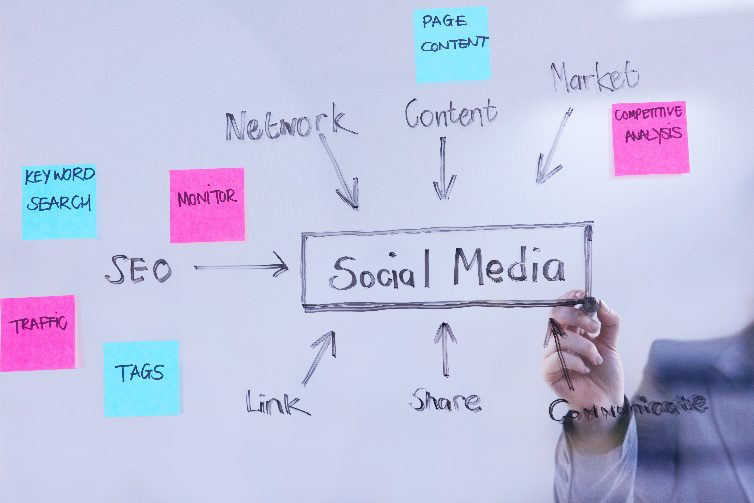 Earlier, in Stage 2, you started to learn about lead generation in real estate and you should have set up a Prospecting system (which all agents need, no matter the target market).
In Stage 7, it’s time to go deeper into your lead generation plan and add more marketing systems to your lead generation system, such as:
- Digital Marketing System
- Farming System
- Networking System
You may also want to create “items of value” to use in your marketing efforts, such as in-depth market reports and hyper-local guides. Market reports and local guides are extremely popular with home buyers and sellers, but they may be very difficult to obtain. This is a key area where you can set yourself apart from your competition. It is also an amazing way to establish your credibility as a real estate agent.
Stage 8 – Developing Advanced Skills
Once you get to Stage 8, you should have a good, functioning real estate business. However, there is always room for improvement, and now you may want to spend time:
- Rehearsing sales scripts
- Developing your negotiating tactics
- Building your referral network
- Working on your conflict resolution skills
- Honing your problem-solving skills
You may also want to learn more about Luxury Real Estate and decide if that is a new target market that fits your overall business plan.
Once you are super-successful, then it may be time to learn about building and managing a real estate team to maximize your results.
Here’s to your success!
The Only Checklist You Need to Become a Confident, Productive, Top-Producing Real Estate Agent
Take the Guesswork Out of Your New Career
Print this checklist so you know exactly what to do next.