

New Real Estate Agent Onboarding: What You Need to Succeed on Day One
WHY REAL ESTATE AGENT ONBOARDING MATTERS MORE THAN YOU THINK
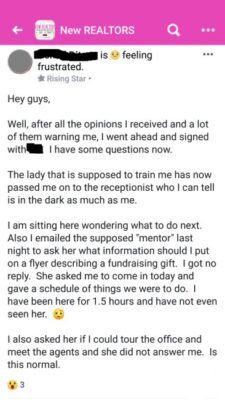
Starting your real estate career at a new brokerage is exciting, but it can also be surprisingly overwhelming. Whether you’ve just earned your real estate license or you’re transferring from another firm, there’s a lot to accomplish before you’re ready to conduct business. From completing licensing paperwork and learning brokerage procedures to setting up technology and attending training classes, your first few weeks involve much more than simply getting acquainted with your new office.
One thing many newly licensed agents don’t realize is that real estate brokerage onboarding can be very different from the orientation process at a traditional company. If you’re accustomed to having a Human Resources department, formal training programs, and managers who make sure you complete every required task, you may be surprised by how independently you’re expected to operate. Some brokerages have excellent onboarding programs, while others provide relatively little structure. Even at brokerages with extensive training, you’ll need to take responsibility for making sure you complete the activities necessary to get your business up and running.
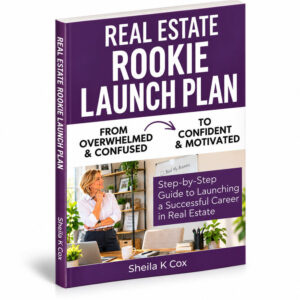
That’s why I recommend approaching your onboarding as a small business owner rather than a new employee. Your goal is to understand your brokerage’s procedures, establish access to the systems you’ll use, identify the people who can help you, and begin developing the knowledge and skills you’ll need to serve clients professionally. In my REAL ESTATE ROOKIE LAUNCH PLAN, I provide a comprehensive New Agent Onboarding Checklist to help you organize these activities and avoid overlooking important requirements.
YOUR FIRST DAY: TAKE THE INITIATIVE
Once you’ve selected your brokerage, contact the person you interviewed and let them know you’ve made your decision. Find out who will be coordinating your onboarding and schedule an appointment to get started. Depending on your brokerage, you might meet with the broker, an office manager, a mentor, or another staff member. If you’re joining a virtual brokerage, much of your orientation may take place online rather than in a physical office.
Don’t expect to accomplish everything on your first day. Depending on your state’s licensing requirements and your brokerage’s procedures, it may take several weeks to complete your memberships, establish accounts, attend training classes, and become familiar with the systems you’ll use. Your initial orientation should help you understand what needs to be accomplished, who is responsible for each activity, and where you can get assistance when you have questions.
Most importantly, don’t wait for someone to tell you every step to take. Ask questions, take notes, and follow up when something hasn’t been completed. Your brokerage has responsibilities for supervising your licensed activities, but you’re responsible for taking an active role in developing your business. Establishing that habit from the beginning will serve you well throughout your real estate career.
COMPLETE YOUR LICENSING AND BUSINESS REQUIREMENTS
One of your first onboarding priorities is making sure your license is properly associated with your brokerage and that you’ve completed the necessary paperwork. Requirements vary by state, so your broker or designated staff member should explain the procedures that apply to you. You’ll also need to understand any agreements you’re signing, including your independent contractor agreement, brokerage policies, and compensation arrangements.
Depending on your market and brokerage, you may need to establish memberships with your local REALTOR® association, obtain MLS access, and arrange access to electronic lockbox systems. These organizations and services play different roles in your real estate business, and understanding how they work together will help you navigate the industry more confidently. Your brokerage should explain which memberships and services are necessary for your particular situation.
This is also a good time to review your financial obligations. Make sure you understand your commission split, transaction fees, monthly brokerage charges, and any other expenses associated with operating your business. You should also find out how commissions are processed and what documentation must be submitted before you can receive payment. These details may not be the most exciting part of launching your career, but understanding them now can help you avoid unpleasant surprises later.
MEET THE PEOPLE WHO WILL HELP YOU SUCCEED
Developing relationships within your brokerage is an important part of becoming comfortable in your new working environment. Depending on the size and structure of your office, you may interact with a managing broker, office manager, administrative staff, transaction coordinators, mentors, technology specialists, and other agents. Take time to learn who these people are, what responsibilities they handle, and when you should contact them for assistance.
One of the most important things to establish is who you should contact when you have questions about contracts, disclosures, negotiations, or other transaction-related issues. You also need to understand how to reach the appropriate person when something requires immediate attention. If your brokerage assigns mentors to new agents, clarify what your mentor will help you with and how the relationship is structured. Some mentoring programs provide extensive transaction guidance, while others have more limited responsibilities.
Building professional relationships with experienced colleagues can also become an important part of your education. You’ll undoubtedly encounter situations that weren’t covered in real estate school, and having knowledgeable people you can turn to can make those experiences much less intimidating. Treat your colleagues and support staff with respect, show appreciation for their assistance, and be willing to help others when you have the opportunity.
UNDERSTAND YOUR BROKERAGE’S CONTRACTS AND COMPLIANCE PROCEDURES
Learning your brokerage’s contracts and compliance requirements should be one of your highest training priorities. Real estate transactions involve legally significant documents, deadlines, disclosures, and professional responsibilities, so you need to understand the procedures you’re expected to follow before you begin working with clients. Your brokerage should explain which forms are required for different transaction types, where to obtain current versions, and how completed documents must be submitted for review and recordkeeping.
You’ll also need to become familiar with your brokerage’s policies concerning advertising, client communications, document retention, and other activities governed by real estate laws and regulations. Some brokerages provide detailed procedure manuals and transaction checklists, while others rely more heavily on direct instruction from the broker or experienced staff. Regardless of the format, make sure you know where to find the information you need and whom to contact when you’re uncertain about a requirement.
Understanding contracts is particularly important because your clients will expect you to explain the documents they’re being asked to sign. Although you probably studied contracts during your licensing courses, that doesn’t necessarily mean you’re prepared to explain their provisions or apply them in real-world transactions. I strongly recommend taking advantage of every opportunity to develop your contract knowledge, including brokerage classes, association training, and guidance from experienced professionals. Your ability to understand and explain contracts is a core competency that deserves serious attention early in your career.
SET UP YOUR REAL ESTATE TECHNOLOGY AND BUSINESS TOOLS
Every brokerage uses a somewhat different combination of technology platforms, so part of your onboarding will involve learning which systems are available and how to use them. You may need access to your brokerage’s internal portal, email system, transaction-management software, electronic contracts and signatures platform, customer relationship management (CRM) system, and other resources. If your brokerage provides technology orientation classes, attend them as soon as possible. Otherwise, find out whether training is available through your local association, the software provider, or someone in your office.
One of the most important systems you’ll learn is your Multiple Listing Service (MLS). You’ll use it to research properties, search for homes for buyer clients, enter listings for sellers, and study your local real estate market. The MLS also provides much of the information you’ll eventually use to prepare comparative market analyses and advise clients about pricing. I recommend taking both basic and advanced MLS training rather than learning only enough to perform simple property searches.
You’ll also need to become comfortable with the appointment scheduling and electronic contracts platforms used in your market. These systems are essential for coordinating home tours, preparing transaction documents, and obtaining signatures. Learning them before you have a client waiting for assistance will make your first transactions much easier to manage. Your brokerage or software provider may offer classes, tutorials, or other training resources to help you develop these skills.
DEVELOP A PERSONALIZED REAL ESTATE TRAINING PLAN
Your education didn’t end when you passed your real estate licensing exam. In fact, much of the training that will make you a competent real estate professional begins after you’re licensed. Your brokerage may provide orientation classes, contract training, mentoring, technology instruction, and other professional development opportunities. Your local REALTOR® association and MLS may also offer valuable courses, including training on the systems and procedures used in your market.
Find out which classes are required, which are recommended, and when they’re available. Some training programs may be offered only periodically, so it’s important to plan ahead rather than waiting until you need a particular skill. You’ll also need to understand your state’s continuing education requirements and any professional education obligations associated with your memberships. Keep track of the applicable deadlines so you don’t overlook an important requirement.
However, don’t assume your brokerage will provide all the training you need to build a successful real estate business. Brokerage training typically focuses on the company’s systems, transaction procedures, compliance requirements, and other activities related to operating within the brokerage. You may need additional education to develop your marketing skills, business systems, local market expertise, and ability to work effectively with buyers and sellers.
That’s one reason I created the Agent Success Builder Training Series. My REAL ESTATE ROOKIE LAUNCH PLAN focuses on Stage 1—Launching Your Real Estate Business—and helps you organize the foundational activities that go beyond brokerage onboarding. You can explore the guide and its companion digital toolkit in the Agent Success Builder Shop.
KEEP YOUR ONBOARDING INFORMATION ORGANIZED
During your first few weeks, you’ll probably receive more information than you can comfortably remember. Between orientation sessions, training classes, software instructions, office policies, and conversations with colleagues, it’s easy to lose track of important details. That’s why I recommend establishing a simple system for organizing your onboarding information from the beginning.
You might prefer a physical binder, a digital notebook, or an organized collection of folders on your computer. The format matters less than your ability to find information quickly when you need it. Keep your brokerage’s procedures, training materials, important contacts, and reference documents in a location that’s easy to access. You’ll appreciate having this information available when you’re preparing your first transaction or trying to remember how a particular system works.
It’s also helpful to maintain a record of the training you’ve completed and the activities you still need to address. Your onboarding will involve tasks with different priorities and deadlines, and some may depend on receiving access or assistance from other people. Having a reliable way to monitor your progress will help you stay organized without becoming overwhelmed by everything you’re learning.
GET FAMILIAR WITH YOUR BROKERAGE’S CULTURE AND COMMUNICATIONS
Every brokerage has its own working environment, communication preferences, and expectations for agent participation. Some offices hold regular in-person sales meetings and training sessions, while others communicate primarily through email, online portals, or virtual meetings. During onboarding, find out how important announcements are distributed, where training schedules are posted, and how you’re expected to communicate with your broker and colleagues.
If your brokerage offers sales meetings, educational events, or opportunities to interact with experienced agents, consider participating whenever possible. These activities can help you become more familiar with your local market, learn from other agents’ experiences, and build relationships within the office. For new agents who are still developing their professional networks, those connections can be especially valuable.
At the same time, you don’t have to participate in every social activity or spend all your time at the brokerage office to become successful. Choose the activities that support your professional development and fit your working style. The important thing is to stay informed, develop positive working relationships, and understand how to access the support and resources available to you.
WHAT COMES AFTER BROKERAGE ONBOARDING?
Completing your brokerage onboarding is an important milestone, but it doesn’t mean your real estate business is fully established. Once you’ve handled the necessary paperwork, gained access to your brokerage’s systems, and begun your initial training, you’ll still have other business decisions and activities to address. These include organizing your workspace, establishing professional communication systems, developing a method for tracking income and expenses, and beginning to build your knowledge of houses and your local real estate market.
You’ll also need to continue developing the communication, contract, and client-management skills that will help you become a competent real estate professional. These activities are all part of Stage 1—Launching Your Real Estate Business—in my seven-stage training roadmap. They provide the foundation you’ll need before moving into more extensive marketing and lead generation activities.
My REAL ESTATE ROOKIE LAUNCH PLAN was designed to help newly licensed agents work through these important startup activities in a logical, organized manner. In addition to the New Agent Onboarding Checklist, the guide includes information about brokerage orientation, important office contacts, training requirements, and the initial business systems you’ll need to establish. It also provides guidance on the other essential activities that can help you become more prepared, knowledgeable, and confident during your first 30–45 days.
You can find the printed REAL ESTATE ROOKIE LAUNCH PLAN and its companion REAL ESTATE ROOKIE LAUNCH TOOLKIT in the Agent Success Builder Shop.
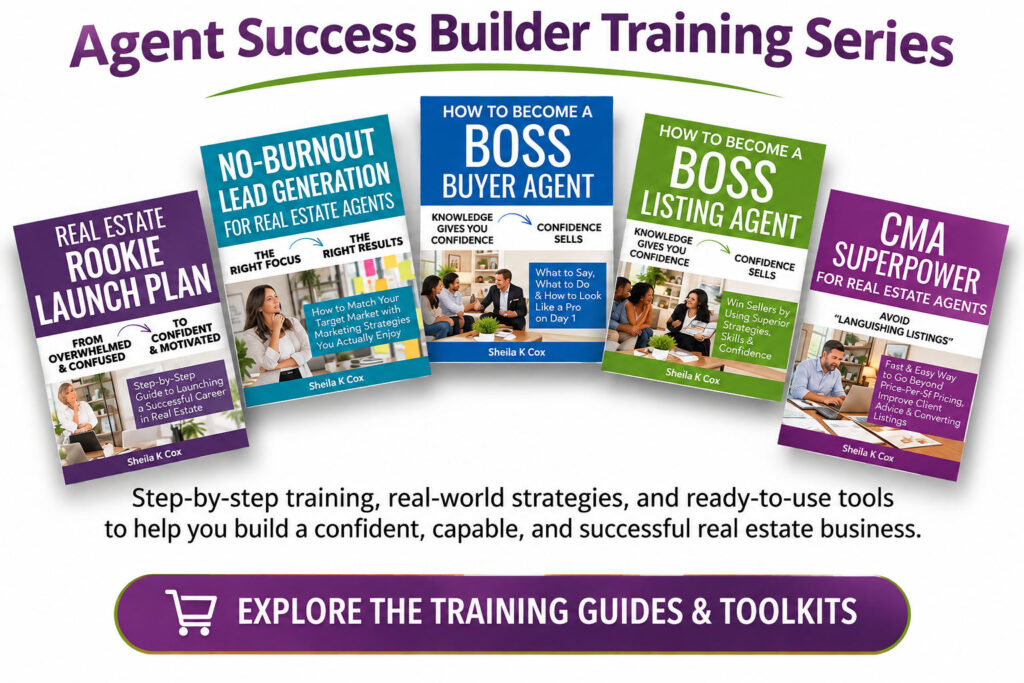
Ready to take your real estate career to the next level? Whether you’re just getting started or looking to strengthen your skills, the Agent Success Builder Training Series gives you the real-world knowledge, step-by-step guidance, and ready-to-use tools you need to build a successful real estate business.
Stop wasting time trying to figure everything out on your own. Explore our Training Guides and Digital Toolkits and find the resources that will help you become a more confident, capable, and successful real estate agent.