

How to Become the Local Real Estate Expert
HOW TO BECOME A LOCAL REAL ESTATE EXPERT AND STAND OUT FROM THE COMPETITION
Learning how to become a local real estate expert is one of the smartest investments you can make in your real estate career. Think about it. Every real estate agent in your market has access to essentially the same inventory of homes for sale. You can all search the MLS, schedule showings, and prepare offers. So what makes one agent more valuable to buyers and sellers than another? One of the most important differences is how much you know about the homes and communities you’re helping people buy and sell.
Unfortunately, developing this expertise is one of the most overlooked aspects of real estate training. New agents often concentrate on learning contracts, finding clients, and marketing themselves without spending enough time learning about the actual product they’re selling. While those other skills are essential, your knowledge of local neighborhoods, housing characteristics, and market conditions can have a tremendous impact on your confidence and credibility when working with clients.
As a real estate agent since 2009, I’ve found that developing genuine local expertise is one of the best ways to distinguish yourself from other agents. You don’t have to wait years to become knowledgeable about your market. With a structured learning plan and consistent effort, you can begin developing the expertise that will help you serve clients more confidently and professionally.
That’s why becoming a hyperlocal real estate expert is an important part of my REAL ESTATE ROOKIE LAUNCH PLAN. I recommend concentrating on two primary areas of knowledge: your local market and the residential properties within it.
WHY LOCAL REAL ESTATE EXPERTISE MATTERS
When buyers and sellers hire a real estate agent, they’re looking for someone who can provide knowledgeable guidance throughout an important financial transaction. They want an agent who understands the local housing market, knows the differences between neighborhoods, and can explain the features and characteristics of the homes they’re considering. Your ability to provide that information helps clients make informed decisions and gives them confidence in your professional judgment.
Experienced agents often have an advantage because they’ve spent years visiting properties, studying market activity, working through inspections, and learning about local communities. They’ve developed a valuable collection of knowledge through everyday experience. However, there’s no reason you can’t begin developing much of that knowledge intentionally rather than waiting for it to accumulate over time.
Becoming a local real estate expert doesn’t mean memorizing every property or knowing the answer to every possible question. It means developing a strong understanding of your market, knowing where to find reliable information, and being able to explain relevant details to your clients. The sooner you begin building this knowledge, the more prepared you’ll feel when you start working with buyers and sellers.
START BY LEARNING ABOUT YOUR CITY AND MARKET AREA
Even if you’ve lived in your city for many years, you may not know it as thoroughly as you need to as a real estate professional. Living in an area and understanding it from a buyer’s or seller’s perspective are two different things. Your clients may ask about property taxes, municipal services, transportation routes, parks, recreational facilities, community amenities, and other characteristics that influence their housing decisions. You should be familiar enough with your market to provide useful information and direct clients to reliable sources when they need additional details.
Start by developing a general understanding of the cities and communities within your primary service area. Learn how the area is organized geographically, where major employment centers are located, and which transportation routes connect the different communities. Become familiar with local government services, public amenities, and other features that may be important to people considering a move. This knowledge will help you answer questions more confidently and provide useful context when discussing different housing options.
You can find much of this information through official city and county websites, chambers of commerce, local government resources, and mapping tools. However, researching information online is only part of the process. You’ll also want to spend time exploring your market in person so you can develop a better understanding of the communities you’re representing.
My REAL ESTATE ROOKIE LAUNCH PLAN includes a City Worksheet that helps you identify and organize important information about your market area. Rather than trying to remember everything you discover, you’ll have a structured way to build your local knowledge and create a useful reference for future client conversations.
UNDERSTAND THE PUBLIC SCHOOL DISTRICTS IN YOUR MARKET
Public schools can be an important consideration for homebuyers, particularly those who want information about educational options and school attendance boundaries. Even if you don’t have children or aren’t personally familiar with the local school system, you should understand which school districts serve your market and where clients can obtain accurate information about schools, programs, and enrollment requirements.
Depending on your location, a single city may be served by several school districts, and school attendance boundaries don’t necessarily follow city or neighborhood boundaries. In some communities, homes located relatively close to one another may be assigned to different schools. Attendance zones can also change, so it’s important to rely on current information from the appropriate school district rather than making assumptions based on a property’s address or a listing description.
You should also become familiar with the educational information available through official school district websites and state education agencies. Third-party websites may provide additional data, but their ratings and rankings reflect particular methodologies and shouldn’t be treated as definitive measures of school quality. Encourage buyers to review the information that matters to them and verify school assignments directly with the district before making a purchase decision.
Remember that your responsibility is to provide objective information and help clients conduct their own research. Avoid steering buyers toward or away from particular neighborhoods based on assumptions about who lives there or subjective judgments about schools. Developing expertise means being a reliable source of factual information while respecting each client’s individual priorities and Fair Housing protections.
BECOME FAMILIAR WITH YOUR LOCAL NEIGHBORHOODS
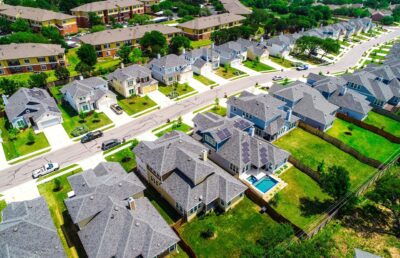
One of the most valuable ways to develop hyperlocal real estate expertise is to become thoroughly familiar with the neighborhoods in your primary market area. Depending on where you work, these may include traditional single-family neighborhoods, master-planned communities, condominium buildings, townhome developments, or other residential areas. Each has characteristics that can influence property values, buyer preferences, and the overall homeownership experience.
As you research neighborhoods, pay attention to the types and ages of homes, typical property sizes, architectural styles, amenities, homeowners association requirements, and other features that distinguish one community from another. You should also develop a general understanding of local housing prices and market activity. For example, knowing that one neighborhood primarily consists of older homes on larger lots while another offers newer construction with extensive community amenities can help you identify properties that match a buyer’s preferences.
Don’t try to become an expert on every neighborhood in your entire metropolitan area at once. That approach can quickly become overwhelming, especially if you’re working in a large market. Instead, concentrate on a manageable geographic area and gradually expand your knowledge as your business develops. You’ll be more effective if you know a smaller group of communities extremely well than if you have only a superficial understanding of dozens of neighborhoods.
In the REAL ESTATE ROOKIE LAUNCH PLAN, I provide Neighborhood Worksheets and a structured approach for researching communities and organizing the information you collect. These resources help you build a reference library that you can continue updating as you gain experience and expand your market knowledge.
GET OUT AND EXPLORE YOUR MARKET IN PERSON
Online research is valuable, but there’s no substitute for seeing your market firsthand. Maps, listing photographs, and community websites can provide useful information, but they don’t always convey the layout, appearance, and physical characteristics of a neighborhood. Visiting communities in person helps you understand how different areas connect, where amenities are located, and what distinguishes one neighborhood from another.

As you explore your market, become familiar with the major roads, neighborhood entrances, parks, shopping areas, recreational facilities, and other local features. Pay attention to the physical layout of communities and the different types of housing available. The goal is to develop a mental picture of your service area so you can discuss locations and housing options naturally when working with clients.
You can approach this process in whatever way best fits your schedule. Some agents may prefer to dedicate several days to exploring their market, while others may find it easier to visit one or two neighborhoods each week. Either approach can work as long as you’re consistent and intentional about what you’re learning. If you’re working part-time or balancing real estate with other responsibilities, gradually building your knowledge may be more manageable than attempting to learn everything immediately.
I recommend keeping notes about the communities you visit and taking photographs when appropriate. Over time, you’ll develop a valuable collection of information that can support your client conversations and future marketing activities. The REAL ESTATE ROOKIE LAUNCH PLAN includes guidance for planning your local market tours and identifying the information and images worth collecting.
SHOULD YOU TOUR INDIVIDUAL HOMES OR FOCUS ON NEIGHBORHOODS?
Many new real estate agents are encouraged to tour a certain number of homes every week to become familiar with their local housing inventory. Visiting properties can certainly be educational, particularly when you’re learning about different architectural styles, floor plans, construction materials, and home features. However, I don’t recommend making individual property tours your only method of developing market expertise.
Here’s why: individual listings come and go, but the underlying characteristics of a neighborhood tend to remain relevant much longer. A home you tour today may sell next week, while the community’s location, amenities, housing styles, and general characteristics will continue to influence buyers’ decisions for years. Learning about neighborhoods gives you a foundation of knowledge that remains useful across many transactions.
That doesn’t mean you should ignore individual properties. As you become familiar with your neighborhoods, touring representative homes can help you understand differences in floor plans, construction quality, property condition, and pricing. Open houses, model homes, and brokerage tours may provide opportunities to see different types of properties and ask questions. The key is to balance your time between learning about the communities themselves and developing your knowledge of the homes within them.
LEARN ABOUT RESIDENTIAL HOME CONSTRUCTION
Becoming a local real estate expert involves more than understanding neighborhoods and market conditions. You also need to know your product—and in residential real estate, your product is housing. Whether you’re helping clients buy single-family homes, townhomes, or condominiums, you should develop a working knowledge of residential construction, building materials, home systems, and common maintenance concerns.
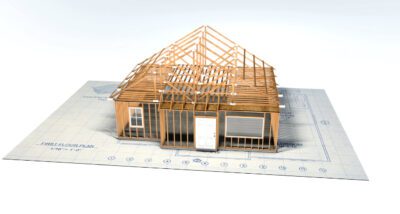
Think about the questions buyers might ask while touring a property. They may want to understand the differences between roofing materials, the expected maintenance requirements of certain home features, or the advantages and disadvantages of different types of construction. Sellers may need guidance about preparing their homes for the market, understanding inspection findings, or evaluating potential repairs. While you aren’t expected to be a licensed home inspector or construction professional, you should know enough to discuss general housing characteristics intelligently and recognize when specialized expertise is needed.
Developing this knowledge will also help you communicate more effectively with inspectors, contractors, builders, and other professionals involved in real estate transactions. You’ll become more comfortable with construction terminology and better prepared to help clients understand the information provided by qualified specialists. Just as importantly, you’ll be less likely to make inaccurate statements about home features or conditions that fall outside your professional expertise.
You don’t need to become a construction expert overnight. Start by developing a general understanding of how homes are built and the major systems and components found in residential properties. Then continue expanding your knowledge through training, research, property tours, and experience. The REAL ESTATE ROOKIE LAUNCH PLAN includes a home construction knowledge checklist to help you identify the topics you should become familiar with as you develop your professional skills.
WHERE CAN YOU LEARN ABOUT HOME CONSTRUCTION?
Fortunately, there are many ways to improve your knowledge of residential construction without becoming a builder or home inspector. Educational articles, home improvement resources, construction videos, and training materials can help you understand how different building components work. Visiting model homes can also be useful because builders frequently highlight construction features, materials, and energy-efficiency improvements that you may encounter when working with clients.
Home improvement stores can help you become familiar with common materials, fixtures, and products used in residential properties. You may also benefit from attending educational classes offered by home inspectors, builders, or other industry professionals. As you begin working with buyers, home inspections can become valuable learning opportunities when you’re permitted to attend and the inspector is willing to explain general findings and construction concepts.
For additional information, you can explore these educational resources:
- NewHomeSource: The Home Building Process
- International Association of Certified Home Inspectors: Residential Construction Basics
- The Spruce: Home Construction Information
As you study, focus on understanding common construction terminology, the purpose of major home systems, and the types of issues that may require further evaluation by qualified professionals. Your objective isn’t to diagnose structural problems or provide technical opinions outside your expertise. It’s to become a more knowledgeable real estate agent who can communicate effectively and help clients recognize when additional professional advice is appropriate.
TURN YOUR LOCAL KNOWLEDGE INTO VALUABLE MARKETING CONTENT
One of the additional benefits of becoming a hyperlocal real estate expert is that the knowledge you develop can eventually support your marketing and lead generation activities. As you research communities, visit neighborhoods, and learn about residential construction, you’ll discover useful information that prospective buyers and sellers may also want to know. This gives you opportunities to create educational website articles, neighborhood profiles, social media posts, and videos based on subjects you’re becoming genuinely knowledgeable about.
For example, instead of posting generic real estate tips that could apply to almost any market, you could create content explaining the differences between local communities, highlighting public amenities, or discussing common housing characteristics in your area. This type of content can demonstrate your knowledge and help potential clients understand the value of working with someone who knows their market.
However, don’t feel that you need to become a content creator before you’ve established your basic business systems and begun developing your professional skills. During your initial startup period, concentrate on learning and organizing information. You can use that knowledge more extensively when you’re ready to develop your marketing and lead generation plan.
When collecting photographs, videos, maps, or other materials, be mindful of copyright and usage restrictions. Creating your own original images is generally preferable to copying photographs from other websites, and simply identifying a source doesn’t automatically give you permission to reuse copyrighted material. You should also make sure any information you publish is accurate, current, and consistent with your brokerage’s advertising requirements.
MAKE LOCAL MARKET EXPERTISE PART OF YOUR PROFESSIONAL DEVELOPMENT
Becoming a hyperlocal real estate expert isn’t something you’ll accomplish in a single weekend, and it isn’t a project you’ll ever completely finish. Neighborhoods change, new communities are developed, market conditions fluctuate, and building materials and construction practices evolve. Even experienced agents need to continue learning if they want to provide knowledgeable guidance to their clients.
The important thing is to begin developing this expertise early in your career rather than waiting until you have clients asking questions you aren’t prepared to answer. By consistently researching your market, exploring neighborhoods, learning about residential construction, and organizing the information you discover, you’ll gradually build a valuable foundation of professional knowledge. That knowledge can improve your confidence, strengthen your credibility, and help you provide better service to buyers and sellers.
Becoming a hyperlocal real estate expert is one of the foundational activities covered in Stage 1—Launching Your Real Estate Business—in my seven-stage training roadmap. My REAL ESTATE ROOKIE LAUNCH PLAN provides a structured approach to developing this knowledge, including the City Worksheet, Neighborhood Worksheets, local market touring guidance, and home construction knowledge checklist. These resources are designed to help you move beyond general advice and begin building the expertise you’ll need throughout your real estate career.
You can find the printed REAL ESTATE ROOKIE LAUNCH PLAN and its companion digital toolkit in the Agent Success Builder Shop.
Ready to take your real estate career to the next level? Whether you’re just getting started or looking to strengthen your skills, the Agent Success Builder Training Series gives you the real-world knowledge, step-by-step guidance, and ready-to-use tools you need to build a successful real estate business.
Stop wasting time trying to figure everything out on your own. Explore our Training Guides and Digital Toolkits and find the resources that will help you become a more confident, capable, and successful real estate agent.